From the file. Written for the paper dated November 2001. Opened in the public stacks July 14, 2026.
In a week marked by heightened security concerns and ongoing debates over civil liberties, federal agencies have been busy formulating rules that reflect the tension between national safety and individual rights. As the nation grapples with the implications of the September 11 attacks, the nuances of rulemaking reveal the complexities of governance during a time of crisis.
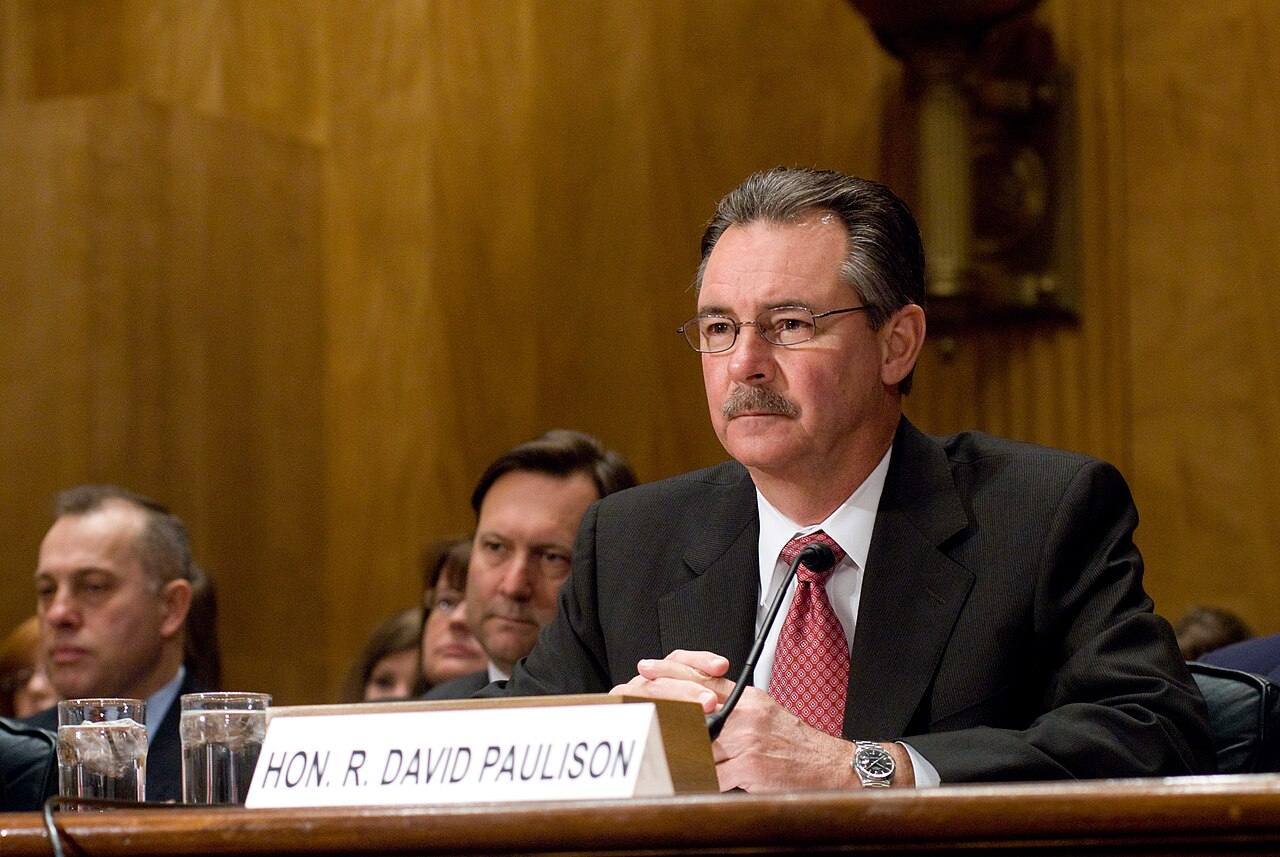
Federal Agencies Step Up
The urgency felt across federal agencies is palpable as they respond to the new realities of a post-9/11 America. The Department of Homeland Security is at the forefront, tasked with consolidating various bureaucratic functions aimed at safeguarding the nation. This week saw a flurry of activity as agencies like the FBI and the Transportation Security Administration (TSA) rolled out new regulations aimed at bolstering security measures at transportation hubs.
However, these measures have not come without controversy. Critics argue that some of the proposed rules infringe upon civil liberties, raising concerns about the balance between security and personal freedoms. The push for enhanced surveillance and data collection has sparked a vigorous debate among civil rights advocates and government officials, each side adamant about their stance.
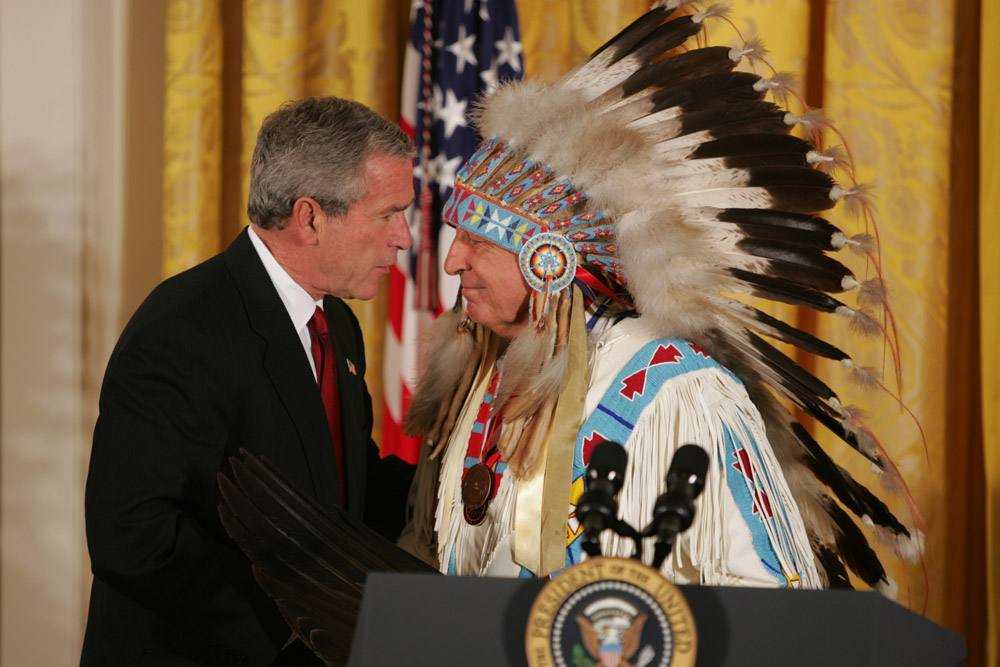
"In the name of security, we must not forsake the very liberties that define us as a nation."
Left and Right: A Study in Excess
The political landscape is as polarized as ever. On one hand, the left expresses alarm over the potential for government overreach. Activists are rallying to protect individual rights, warning against a slippery slope where the government's appetite for surveillance grows unchecked. They argue that the rush to enact sweeping regulations could lead to an erosion of freedoms that have been hard-won over decades.
On the other hand, the right is often quick to dismiss these concerns, advocating for stringent measures to combat perceived threats. Their rallying cry centers around the belief that national security must take precedence over individual rights, a sentiment that resonates with many Americans in the wake of the attacks. Yet, this fervent push for security can sometimes border on the excessive, fostering a climate of fear and mistrust.
Both sides seem to be caught in a cycle of excess, trading barbs and accusations rather than seeking common ground. The left argues that the right's response is disproportionate, while the right often dismisses the left as naive. This ongoing tug-of-war is not just a reflection of partisan politics; it also reveals the broader societal struggle to navigate an unprecedented crisis.
Rulemaking in Action
As agencies rush to implement new rules, the question arises: Are these regulations truly effective? The speed at which they are being pushed through could result in poorly crafted policies that may not hold up under scrutiny. For example, the TSA’s new regulations on airport security have raised questions about their practicality and efficacy. While the intent is to enhance safety, the public is left wondering whether these measures are genuinely effective or simply a way to assuage fears.
Moreover, the lack of public input in this rush to rulemaking is alarming. Many citizens feel sidelined as their voices are drowned out in the clamor for immediate action. This disconnect could have long-term implications for public trust in government institutions, as people increasingly feel that decisions are being made without their consent or consideration.
Looking Ahead
As we move forward, it is imperative that federal agencies take a step back and assess the impact of their proposed regulations. A more measured approach to rulemaking is needed, one that carefully weighs the necessity of security against the importance of upholding civil liberties. The American public deserves transparency and a seat at the table as these crucial decisions are made.
In these fraught times, both left and right must recognize the value of compromise and dialogue. The stakes are too high for partisan bickering to overshadow the need for a cohesive response to national security challenges. As we navigate this complex landscape, let us strive for a balanced approach that honors our values while ensuring our safety.
✦ ✦ ✦