From the file. Written for the paper dated November 2001. Opened in the public stacks July 14, 2026.
As discussions around the Farm Bill continue to dominate the agricultural landscape, both sides of the political spectrum are showcasing their extremes, often overshadowing the moderate voices that could lead to more practical solutions.

The Political Tug-of-War
In the wake of the events of September 11, the Farm Bill has become a focal point for not only agricultural policies but also broader economic and security issues. Farmers are rightly concerned about the future of their livelihoods, and politicians are using this anxiety as a backdrop for both partisan gains and ideological battles. The Democrats have embraced a rhetoric that promotes a robust government role in agriculture, while Republicans often champion free-market solutions.
Both approaches have their merits, yet they also reflect a troubling tendency toward extremes. The Democrats’ push for increased subsidies and support programs might provide immediate relief to struggling farmers but risks creating dependency and market distortions in the long run. On the other hand, a strictly laissez-faire approach advocated by some Republicans could lead to a scenario where farmers are left to fend for themselves, undermining the very fabric of rural America.
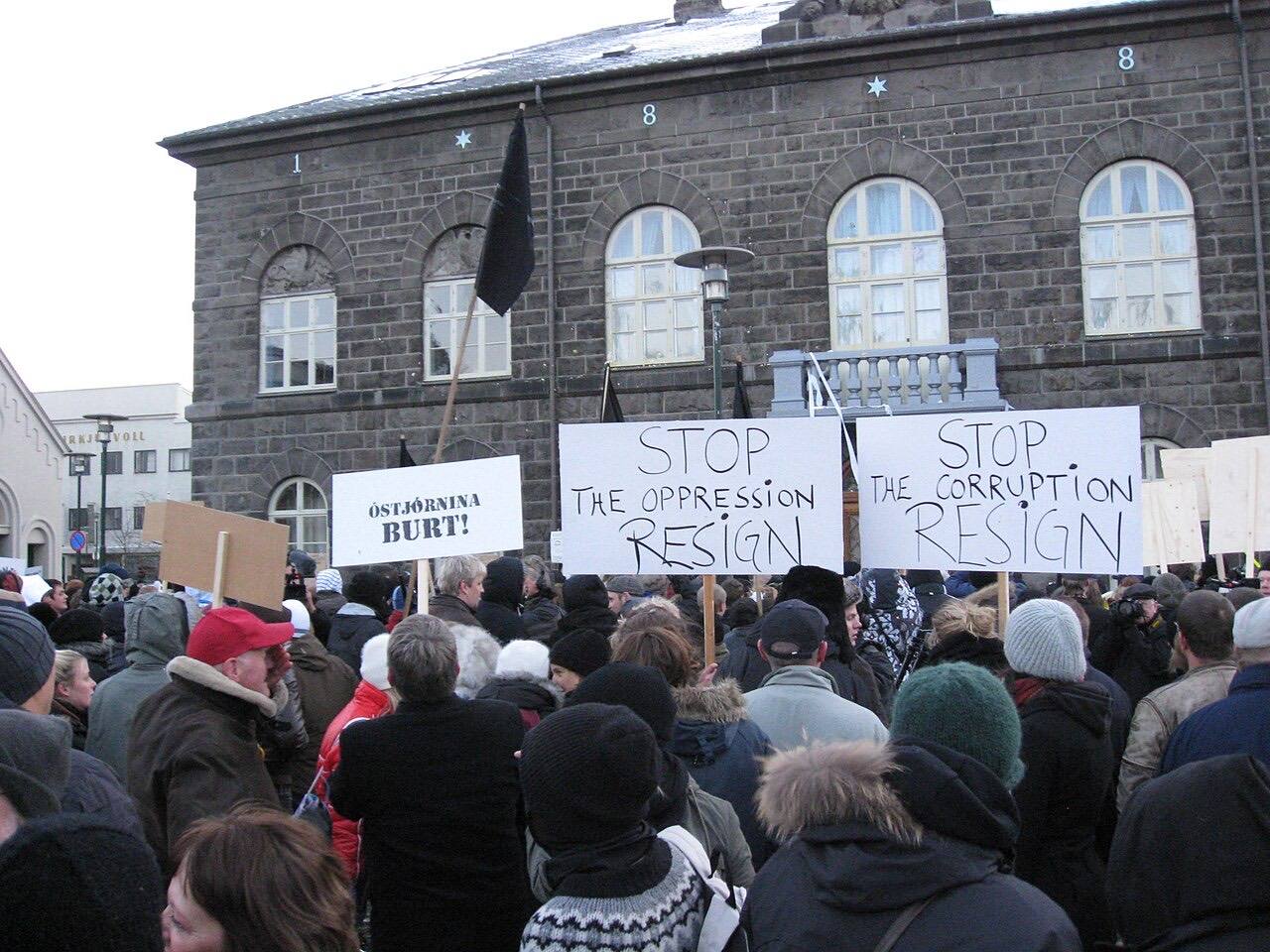
"In the tug-of-war over the Farm Bill, the voices of moderation are often drowned out."
Subsidies and Support
As it stands, many farmers are facing unprecedented challenges. The combination of economic uncertainties and the recent global events have left many in dire straits. The Democratic solution has been to propose enhanced subsidy programs to help farmers weather the storm. While this can provide immediate relief, it raises questions about sustainability and long-term agricultural health.
Critics argue that the reliance on subsidies can lead to complacency among farmers, discouraging innovation and adaptation to market demands. Furthermore, the funding for these programs often comes at the expense of other essential services, leading to a debate about priorities in government spending.
The Free Market Argument
On the flip side, the Republicans are making a compelling case for the free market as the best solution to agricultural woes. They argue that government interference stifles competition and innovation. However, this philosophy can seem overly simplistic in an industry that is deeply influenced by factors beyond the control of individual farmers, including weather, international trade policies, and global market dynamics.
Moreover, the rhetoric from some Republican lawmakers suggests that farmers should simply adapt or perish - a perspective that ignores the significant barriers many face, especially smaller farms that lack the capital and resources to compete effectively. The notion that the market will self-correct is appealing in theory, but in practice, it often leaves vulnerable farmers without a safety net.
A Call for Compromise
As both parties dig in their heels, the need for a balanced approach becomes more apparent. A middle-ground strategy would acknowledge the necessity of government support while encouraging market-driven solutions. This could involve creating a safety net that helps farmers during times of crisis but also incentivizes them to innovate and invest in sustainable practices.
One potential solution could be the establishment of a tiered subsidy system that rewards farmers who implement sustainable practices or diversify their crops. This would not only support the farmers but also promote environmental health and food security, addressing concerns that resonate across the political spectrum.
Looking Ahead
As we continue to navigate these complex discussions, it is imperative that lawmakers take a step back from their partisan positions. The stakes are too high for farmers and rural communities across the nation. A thoughtful approach that weighs the needs of the agricultural sector against the realities of a changing global economy may not only benefit farmers but also contribute to the overall economic stability of the country.
In this time of unprecedented uncertainty, we must remember that the strength of our agricultural system lies not in extreme policies but in cooperation and compromise. The Farm Bill should serve as a bridge rather than a battleground, fostering a spirit of collaboration that could lead to innovative solutions for all involved.
✦ ✦ ✦