From the file. Written for the paper dated October 2001. Opened in the public stacks July 14, 2026.
In a world increasingly reliant on expert opinion, we must confront a troubling reality: the phenomenon of overclaiming by those we trust to guide us is more prevalent than we care to admit.
The Expert Paradox
In the aftermath of the September 11 attacks, the American public has turned to a range of experts - from security analysts to foreign policy scholars - in search of clarity and direction. Yet, as we navigate this complex landscape, it becomes apparent that many of these voices are not just offering guidance but are also making sweeping claims that often lack the nuance and caution we desperately need.
This overreach is not limited to one side of the political spectrum. On the left, some experts are quick to label dissenting opinions as dangerous or unpatriotic, stifling legitimate discourse in the name of national unity. On the right, there is a tendency to paint complex geopolitical issues with a broad brush, reducing them to binary choices that ignore the rich tapestry of international relations.
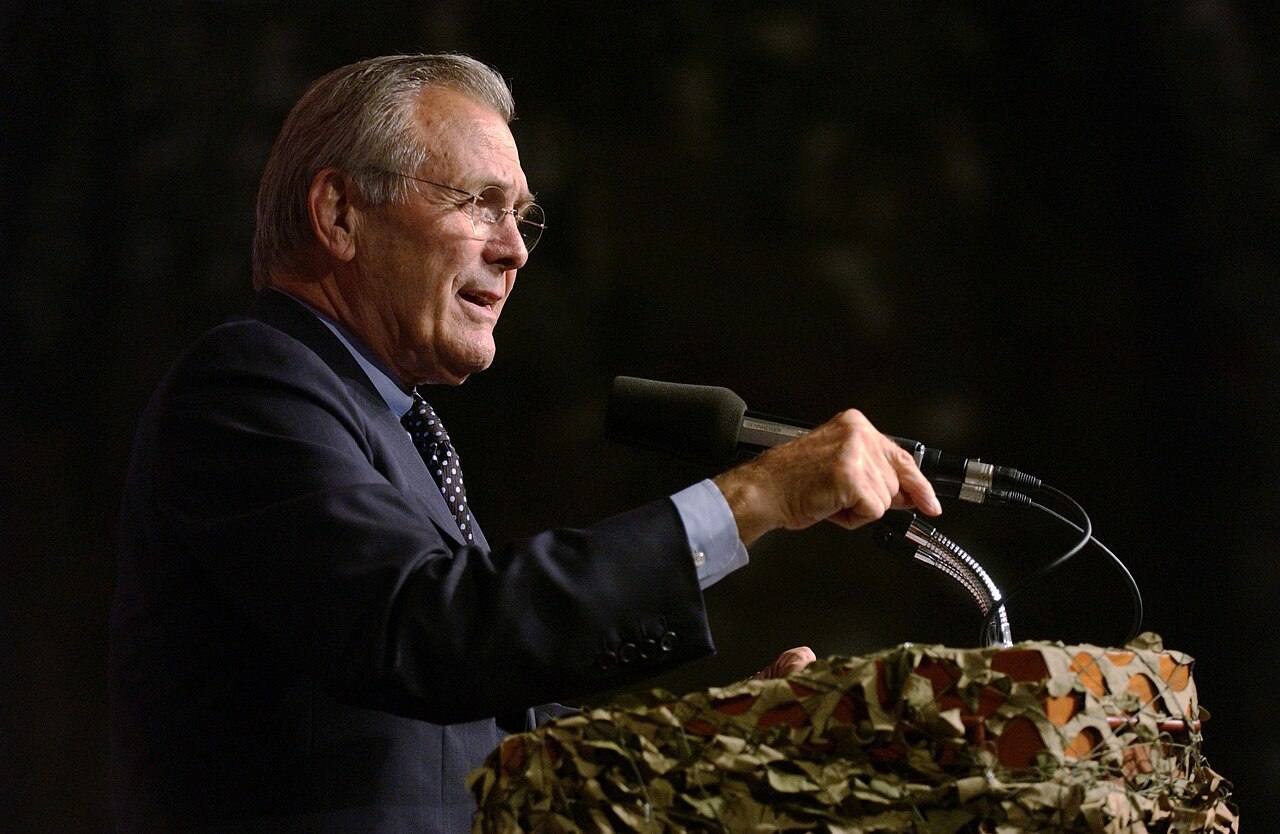
When experts speak, we listen - but what happens when their claims exceed the evidence?
The Consequences of Overclaiming
The consequences of expert overclaiming are profound. For instance, as various pundits and scholars provide their assessments of the War on Terror, some have suggested that military intervention is a panacea for all our national security concerns. This type of thinking is dangerous, as it overlooks the multifaceted nature of terrorism and the socio-political factors that breed it.
Moreover, the rush to assert definitive conclusions can lead to a public that is ill-informed and polarized. When experts overstate their case, they not only risk their credibility but also contribute to a climate of fear and misunderstanding. In this charged atmosphere, even well-intentioned discourse can devolve into shouting matches, stifling thoughtful engagement with complex issues.
The Need for Caution and Humility
It is essential for experts to exercise caution and humility in their assertions. Acknowledging the limitations of their knowledge can foster a more informed public discourse. Rather than presenting their views as absolute truths, experts should frame them as informed perspectives, recognizing that the landscape is ever-changing and that certainty is often an illusion.
Bridging the Divide
To bridge the divide between expert opinion and public understanding, we must cultivate a culture of critical thinking. This involves not just accepting expert opinions at face value but engaging with them thoughtfully. Media outlets have a responsibility to present diverse viewpoints and encourage dialogue rather than conflict. In this way, we can create an environment where experts are held accountable for their claims and the public is empowered to question and engage.
Moreover, educational institutions have a crucial role to play in teaching critical thinking skills. Students should be encouraged to analyze expert claims, seek out multiple sources, and engage in constructive debate. This will not only prepare them for the complexities of the world but also help to create a more informed citizenry capable of navigating the challenges ahead.
Conclusion: A Call for Responsible Expertise
As we move forward in these uncertain times, it is imperative that we demand responsible expertise. We need experts who are willing to acknowledge the limitations of their knowledge and engage in a dialogue that respects differing perspectives. In doing so, we can foster a healthier public discourse that prioritizes understanding over fear, nuance over dogma, and unity over division.
✦ ✦ ✦