From the file. Written for the paper dated September 2001. Opened in the public stacks July 14, 2026.
Port congestion has become a critical issue affecting trade and commerce, yet the mechanics behind the delays often go overlooked.
The Mechanics of Port Congestion
In recent weeks, American ports have experienced significant congestion, leading to delays in shipments and contributing to rising costs for businesses. As the world becomes increasingly interconnected, the efficiency of our ports has never been more crucial. Yet, the complexities involved in the smooth operation of these facilities often remain hidden beneath the surface.
At the heart of the congestion is a combination of factors including increased shipping volumes, labor shortages, and aging infrastructure. The growth of global trade has led to a surge in container traffic, overwhelming some ports that were not designed to handle such volumes. While the shipping industry has adapted to meet demand, the ports themselves have struggled to keep pace, resulting in long wait times for vessels and a backlog of cargo.
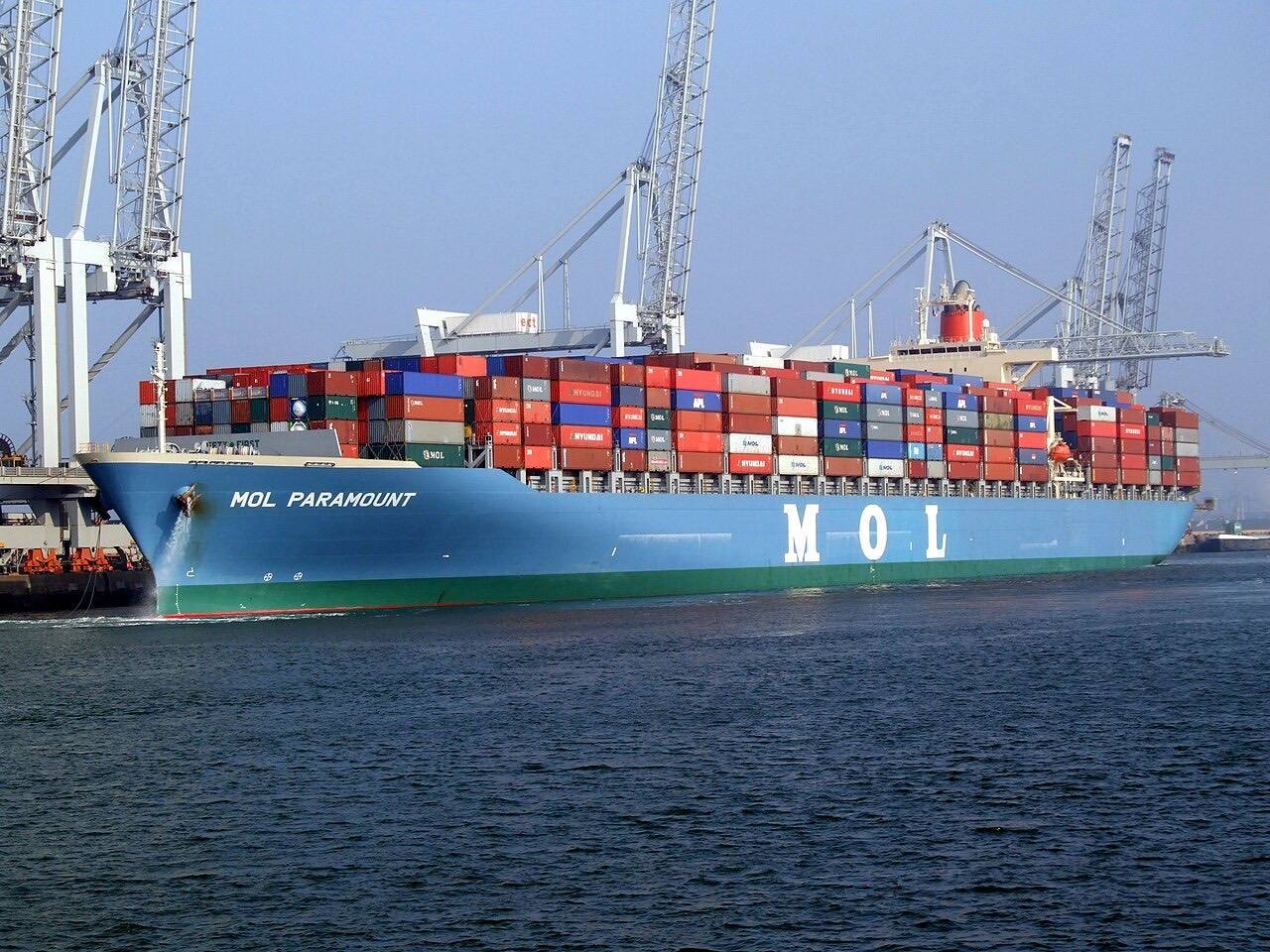
"The efficiency of our ports has never been more crucial."
Labor shortages have also played a significant role in exacerbating the situation. The long hours and demanding nature of port work deter many potential employees from entering the field. As a result, the available workforce is often stretched thin, leading to delays in unloading and processing containers. This situation is further complicated by the fact that many dockworkers are unionized, and labor disputes can arise, causing even further disruptions.
Additionally, aging infrastructure poses a considerable challenge. Many ports are equipped with outdated machinery and facilities that cannot effectively handle the modern demands of shipping. This includes everything from cranes that can't lift heavy containers to inadequate storage facilities that lead to overcrowding. Without significant investment in infrastructure upgrades, ports will continue to face congestion issues that hinder economic growth.
Political Responses and Their Shortcomings
In response to the mounting crisis of port congestion, both political parties have sought to address the issue, yet their approaches reveal a troubling tendency toward partisanship rather than cooperation. The left has emphasized the need for increased government spending on infrastructure, advocating for sweeping reforms to modernize ports and improve efficiency. While investment is undoubtedly necessary, the proposal lacks a clear plan for immediate action and risks becoming mired in bureaucratic red tape.
On the right, there is a tendency to advocate for deregulation and a reduction in government oversight, arguing that a free-market approach would alleviate congestion by allowing port operators to respond more swiftly to demand. However, this perspective often overlooks the complexities of the industry, including labor relations and safety standards. The assumption that market forces alone will resolve the congestion crisis is overly simplistic and neglects the necessary collaboration between public and private sectors.
"The assumption that market forces alone will resolve the congestion crisis is overly simplistic."
As the debate continues, it's essential for policymakers to recognize that neither excessive government intervention nor blind deregulation will solve the port congestion crisis. A balanced approach that combines targeted investments in infrastructure with sensible regulatory oversight and labor relations is necessary to ensure that our ports can operate efficiently and effectively.
Looking Ahead: Solutions to Port Congestion
To address the ongoing issues of port congestion, stakeholders must work collaboratively to implement a range of practical solutions. First and foremost, investing in modernizing port infrastructure is critical. This includes upgrading equipment, expanding storage capacity, and enhancing technology to streamline operations. By bringing our ports up to date, we can reduce delays and improve the flow of goods.
Moreover, fostering a better relationship between labor unions and port operators is essential. Open dialogue and negotiations can lead to more flexible working conditions that attract workers to the field while ensuring that labor rights are upheld. A satisfied workforce is more likely to lead to efficient operations and reduced delays.
Finally, implementing advanced logistics systems can help manage the flow of containers more effectively. By utilizing technology to track shipments and predict delays, ports can better allocate resources and minimize congestion. The integration of real-time data into port operations is not just a luxury; it is a necessity in today's fast-paced global economy.
As we move forward, it is imperative that we do not allow the noise surrounding port congestion to drown out the critical discussions needed to address its root causes. The mechanisms behind the delays may be complex and mundane, but the consequences of ignoring them could be far-reaching for the American economy.
✦ ✦ ✦