From the file. Written for the paper dated July 2001. Opened in the public stacks July 14, 2026.
In the midst of a summer marked by political fervor and national division, the conversation surrounding voting machinery has taken center stage. As we approach the next election cycle, questions regarding the integrity and reliability of our voting systems have surfaced, revealing a rift between public claims and the actual record.

The Claims of Security
Both sides of the political spectrum have been vocal about the need for secure and trustworthy voting systems. On the left, there is a persistent narrative that technology is failing voters, with claims of outdated machines leading to disenfranchisement, particularly in minority communities. Advocates highlight instances of long lines, malfunctioning equipment, and inadequate training for poll workers as evidence that our election infrastructure is crumbling. The need for reform is echoed loudly across various platforms, pushing for greater federal oversight and funding to upgrade voting technology.
Conversely, many on the right dismiss these concerns, often suggesting that the calls for reform are exaggerated or politically motivated. They argue that current voting systems, particularly electronic machines, are not only secure but also efficient. The rhetoric from this side often paints the picture of a vast conspiracy to undermine the integrity of elections through unfounded claims of fraud. This perspective emphasizes personal responsibility, suggesting that voters must take the initiative to educate themselves on how to navigate the voting process, rather than relying on government systems to be flawless.
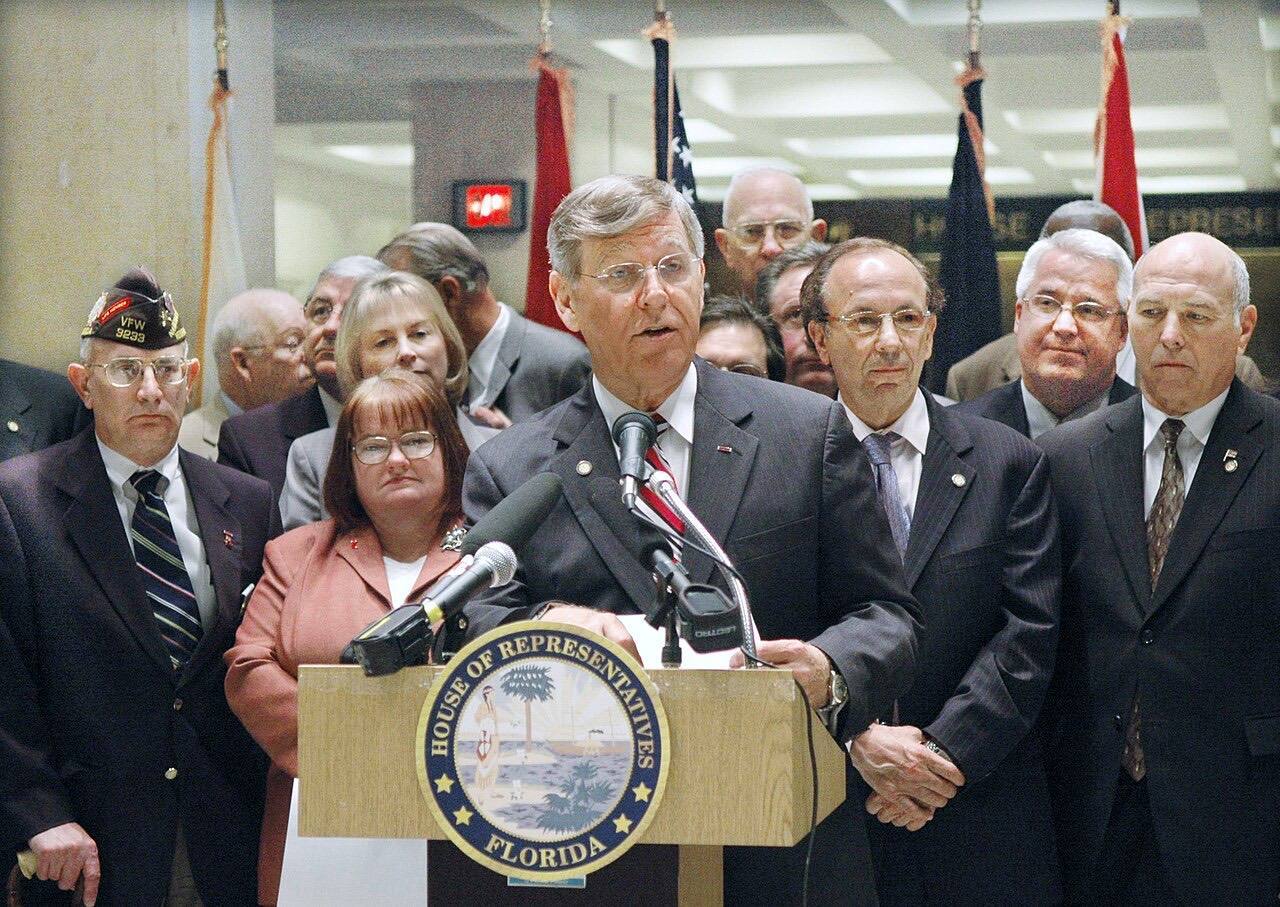
The Reality of Voting Machinery
Yet, the reality of our voting machinery does not align neatly with the narratives pushed by either side. There is a need for a grounded assessment of how our voting systems function, devoid of the hyperbole that often clouds public discourse. Reports from various election monitoring organizations indicate that while some machines are indeed aging and in need of replacement, the vast majority of elections are conducted without significant issues.
Take, for instance, the findings from the National Association of Secretaries of State. Their reports suggest that while there are isolated incidents of malfunctioning machines, these do not constitute widespread systemic failures. The challenge, however, lies in the fact that these problems often affect the same communities that are already marginalized, leading to disparities in voter experiences. Therefore, while the overall system might not be as broken as some allege, there is still an undeniable need for vigilance and improvement.
“The focus should not only be on replacing machines but also on ensuring equitable access for all voters.”
The Politics of Reform
The debate around voting machinery also reflects broader political ideologies. The left's push for reforms often calls for increased federal oversight and funding, which some on the right view as an encroachment on state autonomy. The tension here is palpable, as each side attempts to frame the debate in a manner that aligns with their broader political goals. The left argues for a more centralized approach to ensure uniform standards and access, while the right champions local control and accountability.
However, as we dissect the claims and counterclaims, it becomes evident that both sides risk oversimplifying a complex issue. The reality is that our electoral system is a patchwork of state laws and technologies, each with its own strengths and weaknesses. A one-size-fits-all solution is unlikely to suffice, and an unwillingness to recognize the nuances of the situation may lead to further polarization.
Moving Forward
As we prepare for upcoming elections, it is crucial to foster a dialogue that transcends partisan lines. The focus should not only be on replacing machines but also on ensuring equitable access for all voters. This includes investing in education and training for poll workers, increasing funding for under-resourced communities, and implementing best practices to address the specific needs of diverse populations.
Ultimately, the path forward must be rooted in evidence-based practices and a commitment to inclusivity. As we navigate the fraught landscape of voting machinery, we must resist the urge to cast blame and instead focus on collaborative solutions that enhance the integrity of our elections.
The Importance of Public Trust
In an era where public trust in democratic institutions is waning, our approach to voting machinery must prioritize transparency and accountability. Engaging citizens in conversations about the technologies that govern their votes will not only empower them but also help restore faith in the electoral process. Whether we are confronting fears of disenfranchisement or concerns over fraud, the ultimate goal should be to ensure that every vote counts and that every voter feels confident in their right to participate in democracy.
✦ ✦ ✦