From the file. Written for the paper dated July 2001. Opened in the public stacks July 14, 2026.
As vaccine policy continues to be a pivotal issue in public health discussions, the disparity between the claims made by proponents and the realities reflected in health data raises urgent questions. This week, we take a closer look at the rhetoric surrounding vaccines and the facts that often get lost in the shuffle.
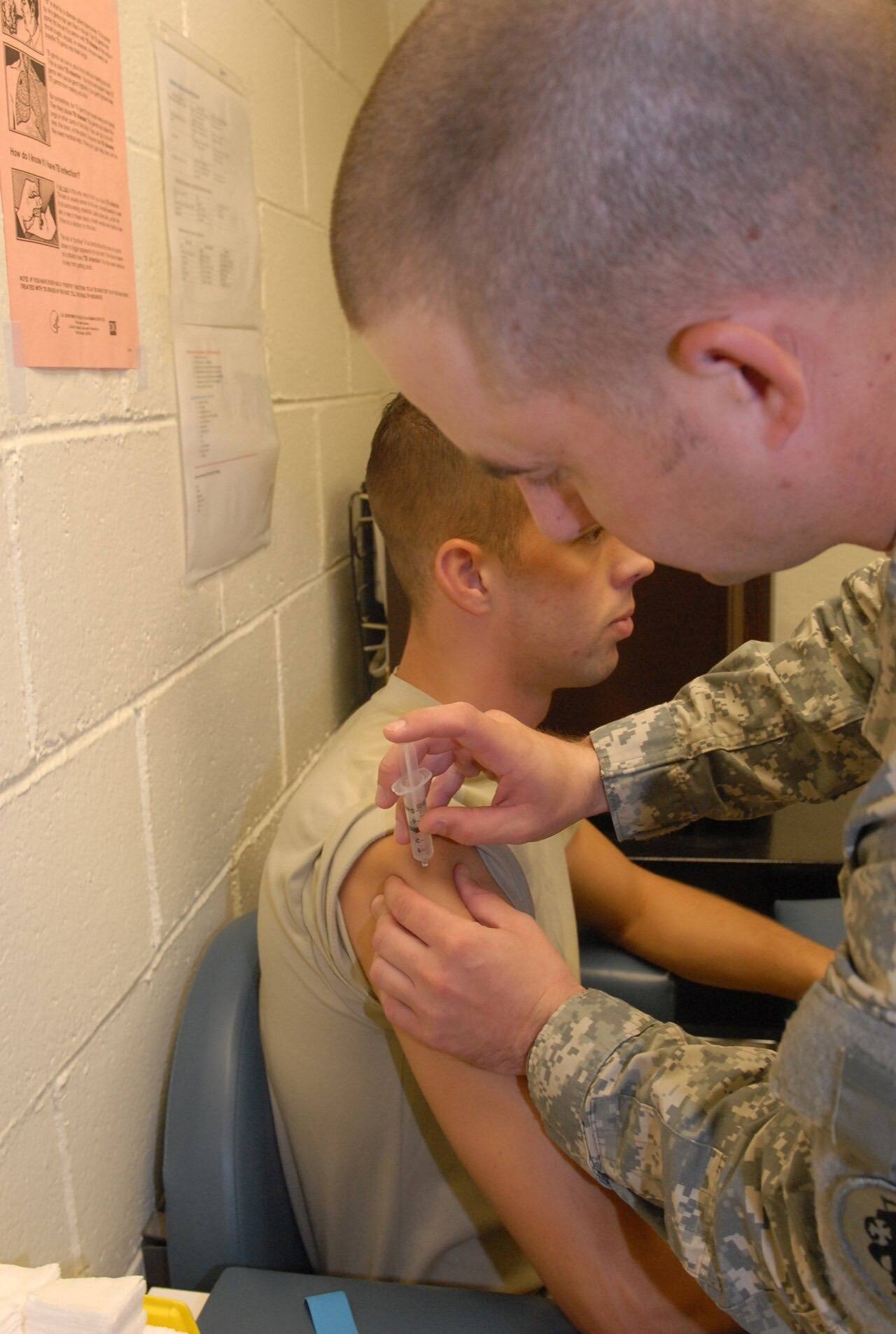
The Polarized Vaccine Debate
In recent weeks, the discourse surrounding vaccines has intensified, with both sides of the political spectrum contributing to a climate of division. On one end, the left champions vaccines as a hallmark of public health, asserting that high vaccination rates are critical for herd immunity and the eradication of preventable diseases. However, this narrative often glosses over the complexity of vaccine hesitancy and the valid concerns some parents express about vaccine safety.
Meanwhile, the right tends to adopt a more skeptical stance, questioning the motives of pharmaceutical companies and government agencies. Their arguments often hinge on the belief that vaccine mandates infringe upon personal liberties. This has led to a rallying cry for "medical freedom," yet many of these claims lack substantial scientific backing, relying instead on anecdotal evidence and fear-mongering.

"The polarized vaccine debate often leaves little room for nuanced discussion on public health."
Public Health vs. Personal Liberty
The clash between public health interests and individual rights is nowhere more pronounced than in the vaccine conversation. The left emphasizes the societal benefits of widespread vaccination, arguing that it not only protects individuals but also vulnerable populations who cannot be vaccinated due to medical reasons. Yet, the language used often excludes or belittles the concerns of those who question vaccine safety, which can alienate a significant segment of the population.
On the opposite end, the right's focus on personal liberty can sometimes devolve into a blanket rejection of vaccines altogether, which poses a real risk to community health. By framing the issue as a matter of freedom alone, the broader implications for public health are frequently ignored. The balance between protecting individual rights and ensuring community health is delicate and requires thoughtful dialogue rather than divisive rhetoric.
The Role of Misinformation
In addition to the political divide, misinformation plays a significant role in shaping public perception of vaccines. The rise of dubious “facts” circulating through various media channels has led many parents to question the safety and efficacy of vaccines. While skepticism can drive healthy inquiry, it can also foster fear and distrust in the medical community.
Both sides of the vaccine debate must acknowledge the consequences of misinformation. The left can do a better job of addressing the legitimate concerns some parents have without dismissing them outright. Conversely, the right should recognize that spreading unfounded fears about vaccines can have dire public health implications.
"Misinformation is a double-edged sword, harming the discourse on both sides."
Moving Towards Constructive Dialogue
To bridge the gap in this contentious debate, both sides need to engage in constructive dialogue that prioritizes facts over fear. Public health officials must communicate transparently about vaccine research and safety, while also listening to the concerns of parents. It is essential to create an environment where questions can be asked and answered honestly without the threat of ridicule.
Moreover, educational campaigns should not only highlight the benefits of vaccines but also address concerns directly. This approach can help alleviate fears while reinforcing the importance of vaccination for community health. By fostering an open dialogue, we can begin to mend the rift that has formed between advocates and skeptics.
Conclusion: A Call for Unity
As we navigate the complexities of vaccine policy, it is crucial to remember that our ultimate goal is public health. The excesses of both the left and the right can distract from the real issues at hand, which are ensuring that our communities are protected against preventable diseases. By working together and promoting informed discussions, we can create a healthier society that respects both individual choices and public health needs.
✦ ✦ ✦