From the file. Written for the paper dated July 2001. Opened in the public stacks July 14, 2026.
As businesses and consumers alike feel the ripples of a global economy still adjusting to the realities of the new millennium, the supply chain remains a focal point of contention and concern. The rhetoric surrounding this critical area of commerce often diverges sharply from the hard facts on the ground. This week, we delve into the competing narratives and examine how they stack up against the actual state of the supply chain.
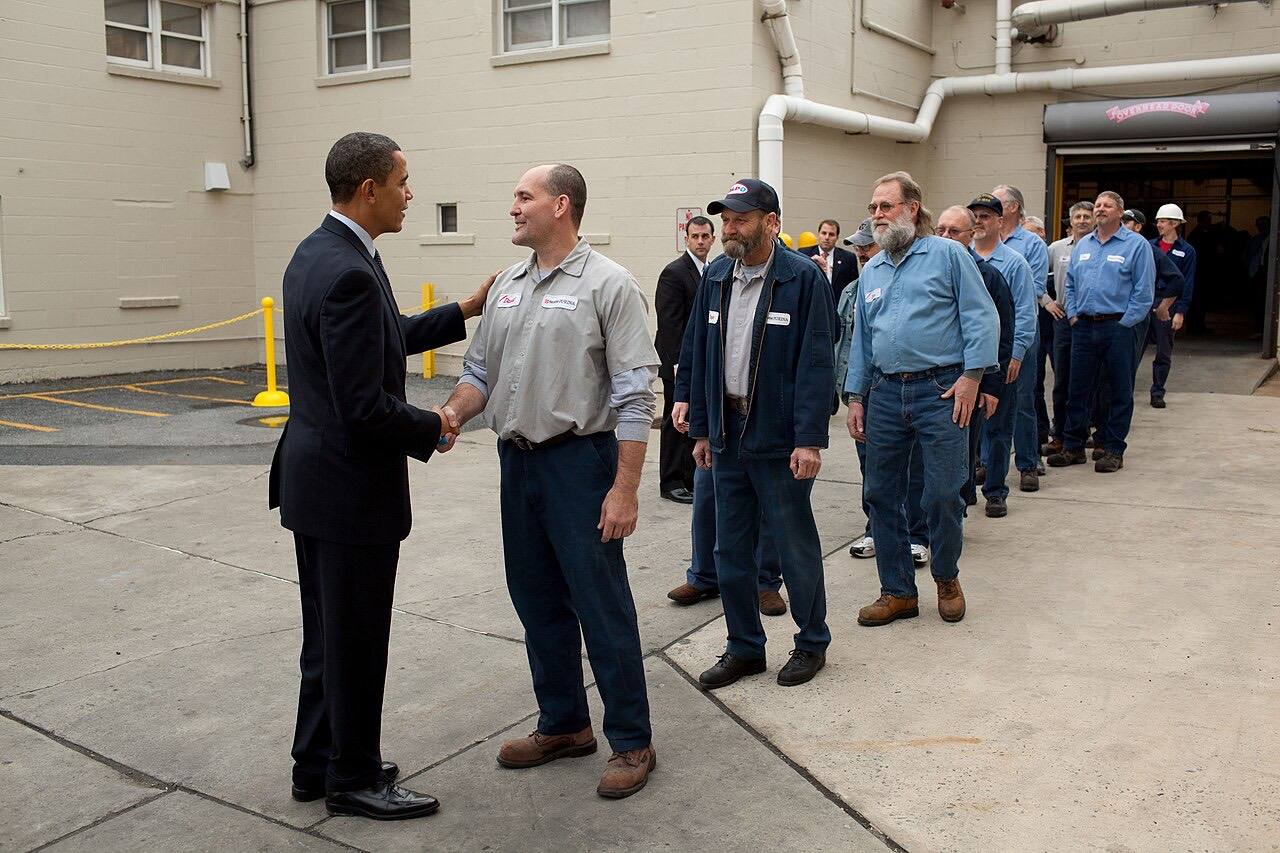
The Claims of Efficiency
In recent months, government officials and corporate leaders have been singing the praises of an increasingly streamlined supply chain. Proponents argue that technology and globalization have paved the way for an unprecedented level of efficiency, thus reducing costs and improving service delivery. This narrative is compelling, especially as businesses scramble to keep pace with consumer expectations for faster delivery and lower prices.
Yet, the reality is far more complex. Reports suggest that while some sectors may enjoy a semblance of operational efficiency, others are still grappling with the consequences of over-reliance on just-in-time inventory systems, which can leave companies vulnerable to shocks. For example, disruptions in transportation routes, whether from natural disasters or geopolitical tensions, have exposed the fragility of these systems.
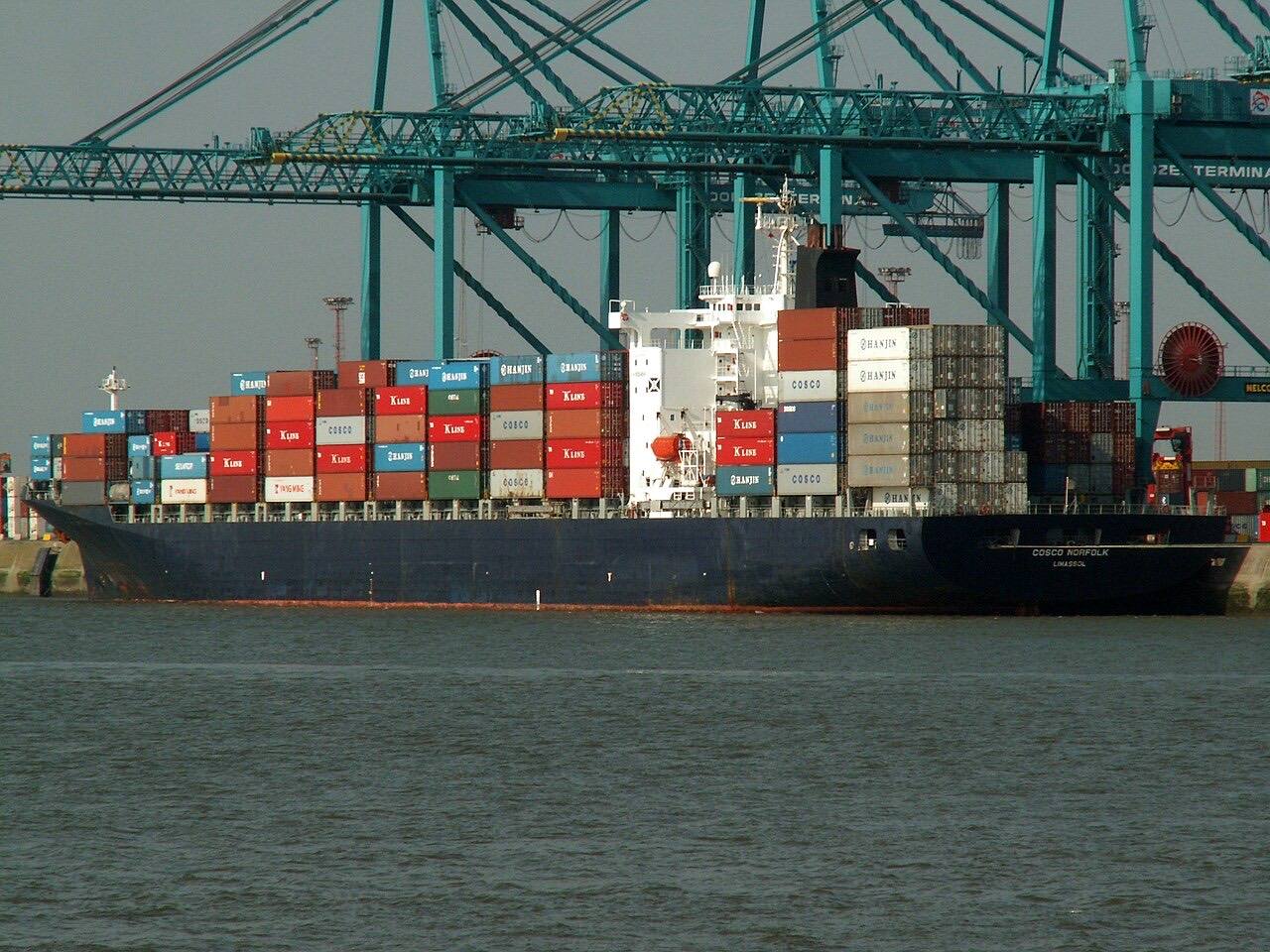
The Flaws in Globalization
Certainly, the push for a global supply chain has led to remarkable achievements, but it has also created dependencies that can backfire. The ongoing debate about offshoring jobs highlights the tensions inherent in this model. Critics from the left have decried the loss of domestic jobs, arguing that companies prioritize profits over the welfare of American workers. Meanwhile, advocates of free trade from the right insist that globalization is a net positive, as it fosters competition and drives innovation.
"We cannot ignore the impact of globalization on our workforce. We must strike a balance between efficiency and employment." - Anonymous labor leader
In the midst of these arguments, the actual impact on the supply chain often gets lost. While it is true that many companies have found ways to cut costs by moving production overseas, the promise of cheaper goods has not always translated to savings for consumers. The costs associated with shipping and tariffs can offset any perceived benefits.
Technology: The Double-Edged Sword
Technology is another area generating heated debate. Proponents claim that advancements such as automation and advanced tracking systems are revolutionizing supply chain management. Yet, this perspective glosses over the significant investments required and the potential risks involved, including cybersecurity threats and the loss of jobs to automation. Workers are rightfully concerned about their futures in an industry that increasingly values technology over human labor.
Additionally, the assertion that technology can solve supply chain issues fails to account for the human element. Errors in data entry or miscommunication between suppliers and manufacturers can lead to costly delays, undermining the very efficiencies technology aims to create. As businesses continue to invest in technology, they must also recognize the importance of maintaining a skilled workforce that can navigate these tools effectively.
The Role of Policy
Policy also plays a crucial role in shaping the landscape of the supply chain. The current administration touts its efforts to cut regulations and ease the burden on businesses, claiming this will enhance productivity. However, the lack of oversight can lead to unintended consequences, such as environmental degradation and labor exploitation. It is essential for policymakers from both sides of the aisle to acknowledge that deregulation cannot come at the expense of social and environmental responsibility.
Conversely, calls for increased regulation often stem from a place of concern for worker rights and consumer protection. While these goals are laudable, the implementation of excessive regulations can stifle innovation and create barriers to entry for smaller businesses. The challenge lies in finding a middle ground that promotes both economic growth and ethical practices.
A Call for Transparency
In the end, the discourse surrounding the supply chain is overshadowed by a lack of transparency. Both sides of the political spectrum tend to cherry-pick data to support their narratives, often neglecting the nuanced realities faced by businesses and consumers. The truth is that the supply chain is not a one-size-fits-all model; it is a complex web of interdependencies that requires careful management.
Moving forward, a more honest and open dialogue is essential. Stakeholders must engage in constructive conversations that address the genuine concerns of workers, consumers, and businesses alike. Only then can we hope to navigate the challenges of the supply chain in a manner that benefits society as a whole.
✦ ✦ ✦