From the file. Written for the paper dated June 2001. Opened in the public stacks July 14, 2026.
As public trust surveys reveal a steady decline in confidence towards government and media institutions, it becomes imperative to scrutinize the mechanisms by which these institutions seek to protect themselves from this erosion of faith.
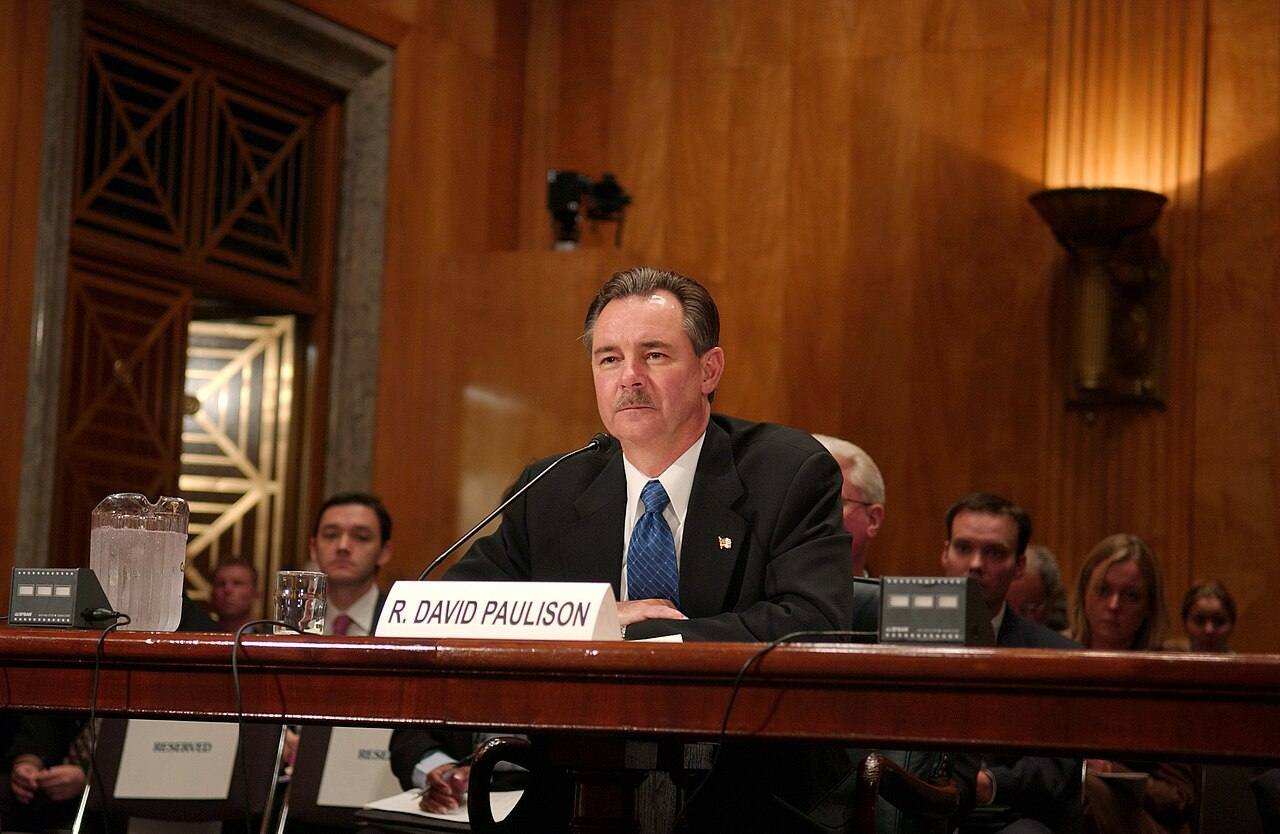
Trust: A Fragile Commodity
The most recent public trust survey has laid bare a troubling trend: Americans are losing faith in the very institutions that are supposed to uphold democracy and inform the citizenry. From government officials to media moguls, the results paint a bleak picture of disillusionment and skepticism. While some voices on the left attribute this decline to the perceived failures and corruption within these institutions, others on the right blame a culture of victimhood that perpetuates distrust. But the truth is more complex.
"Trust is not given; it is earned, and right now, many institutions find themselves in a trust deficit."
As the survey results trickle in, it is essential to consider how these institutions are reacting to maintain their credibility. Instead of addressing the core issues that have led to this erosion of trust, many are doubling down on tactics that merely serve to reinforce their positions rather than rebuild the trust that has been lost.

Institutional Responses to Distrust
In the face of declining trust, government officials are often quick to issue statements proclaiming transparency and accountability. However, these declarations frequently lack substance. When was the last time a politician faced significant consequences for misleading the public? Instead, we see a pattern of rhetoric that aims to reassure rather than implement meaningful change. It is a classic case of self-preservation over genuine reform.
On the media side, the scenario is similarly troubling. News outlets are increasingly turning to sensationalism and partisan reporting to capture audience attention in a crowded marketplace. While this strategy may boost short-term ratings, it further alienates viewers who are seeking factual reporting. This chase for ratings often results in a vicious cycle where the media becomes complicit in the very distrust it seeks to combat.
The Left’s Response: A Call for Accountability
The left has positioned itself as a champion of accountability, calling for reforms in government and media. While this is commendable, it is essential to recognize that some factions are engaging in their own form of dogmatism. Instead of fostering open dialogue, certain segments of the left resort to blanket accusations and cancellation of dissenting views. This approach, while well-intentioned, often alienates potential allies and further complicates the path to genuine reform.
Moreover, the left’s focus on systemic issues can sometimes overlook the importance of individual agency. By framing all distrust as a product of oppressive systems, there is a risk of undermining personal responsibility in fostering trust. Trust is a two-way street, and both institutions and individuals must commit to rebuilding it.
The Right’s Reaction: A Culture of Victimhood
Conversely, the right often dismisses the concerns over institutional trust as mere whining from a “victim culture.” While it is true that some groups may overstate their grievances, this dismissal of legitimate concerns only serves to deepen the divide. The right must acknowledge that a failure to address the grievances of those who feel marginalized or ignored can lead to further erosion of trust in all institutions, including their own.
Furthermore, the right’s tendency to glorify a bygone era - characterized by a strong belief in American exceptionalism - can obscure the reality that past trust was not universally held. Many communities have faced systemic marginalization and have valid reasons for their distrust. Ignoring these narratives does not strengthen institutions; it weakens them.
A Path Forward: Building Genuine Trust
In an environment where both the left and right seem entrenched in their respective positions, the question remains: how can we rebuild public trust? First and foremost, both sides must commit to genuine dialogue that transcends partisan politics. Institutions must engage with the public in a meaningful way, including acknowledging past mistakes and taking steps to rectify them.
Moreover, transparency should not be just a buzzword but a practice. Government officials and media outlets alike must prioritize honesty and accountability over self-preservation. This may require difficult conversations and a willingness to confront uncomfortable truths, but it is a necessary step towards restoring faith.
Ultimately, trust is a fragile commodity that requires continuous nurturing. It cannot be demanded or legislated; it must be earned through consistent actions that reflect a commitment to integrity and accountability.
✦ ✦ ✦