From the file. Written for the paper dated May 2001. Opened in the public stacks July 14, 2026.
Labor strikes have become a flashpoint in American commerce, with both the left and the right employing the issue to rally their respective bases. As we examine the recent labor dispute trends, it is essential to address the incentives and excesses of both political factions that influence these critical negotiations.
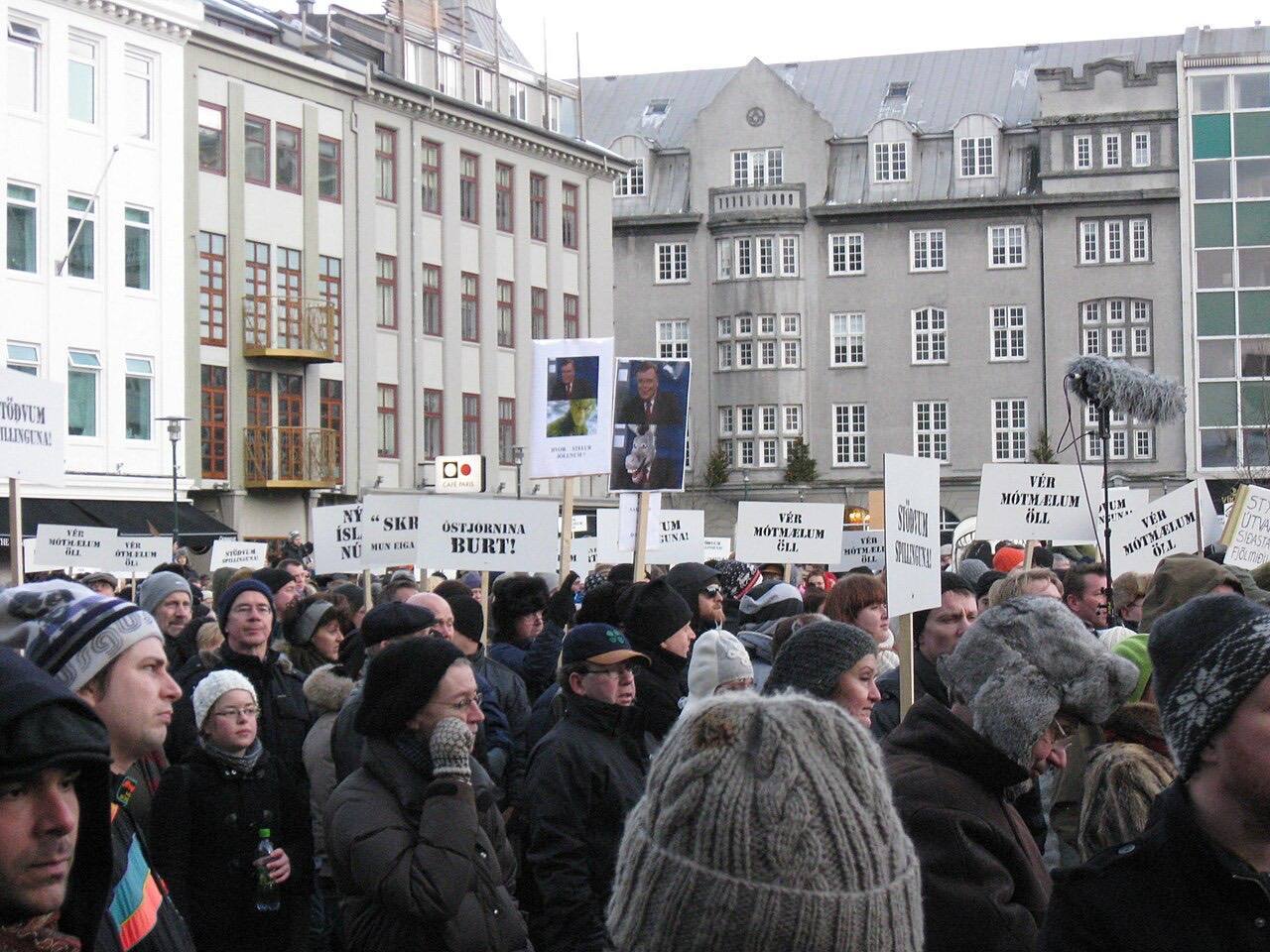
The Landscape of Labor Strikes
In recent weeks, a wave of labor strikes has swept across various industries, highlighting the growing tensions between workers demanding fair compensation and companies striving to maintain profitability. Strikes have erupted in sectors ranging from education to transportation, as workers express frustration over stagnant wages and unsafe working conditions. This surge in labor activism is not merely a symptom of isolated grievances; it reflects broader economic trends and political dynamics that have been festering for years.
"We are fighting for our rights, not just for ourselves, but for future generations of workers," a striking teacher declared last week.
Left-Wing Advocates: The Push for Progress
On the left, labor unions and progressive activists have rallied around the striking workers, often framing these disputes as battles for social justice. The narrative champions the idea that every worker deserves a living wage and safe working conditions, portraying corporations as the villain in this ongoing saga. While advocating for workers’ rights is undoubtedly a noble cause, the left runs the risk of undermining its credibility when it resorts to hyperbole and vilification of business leaders.
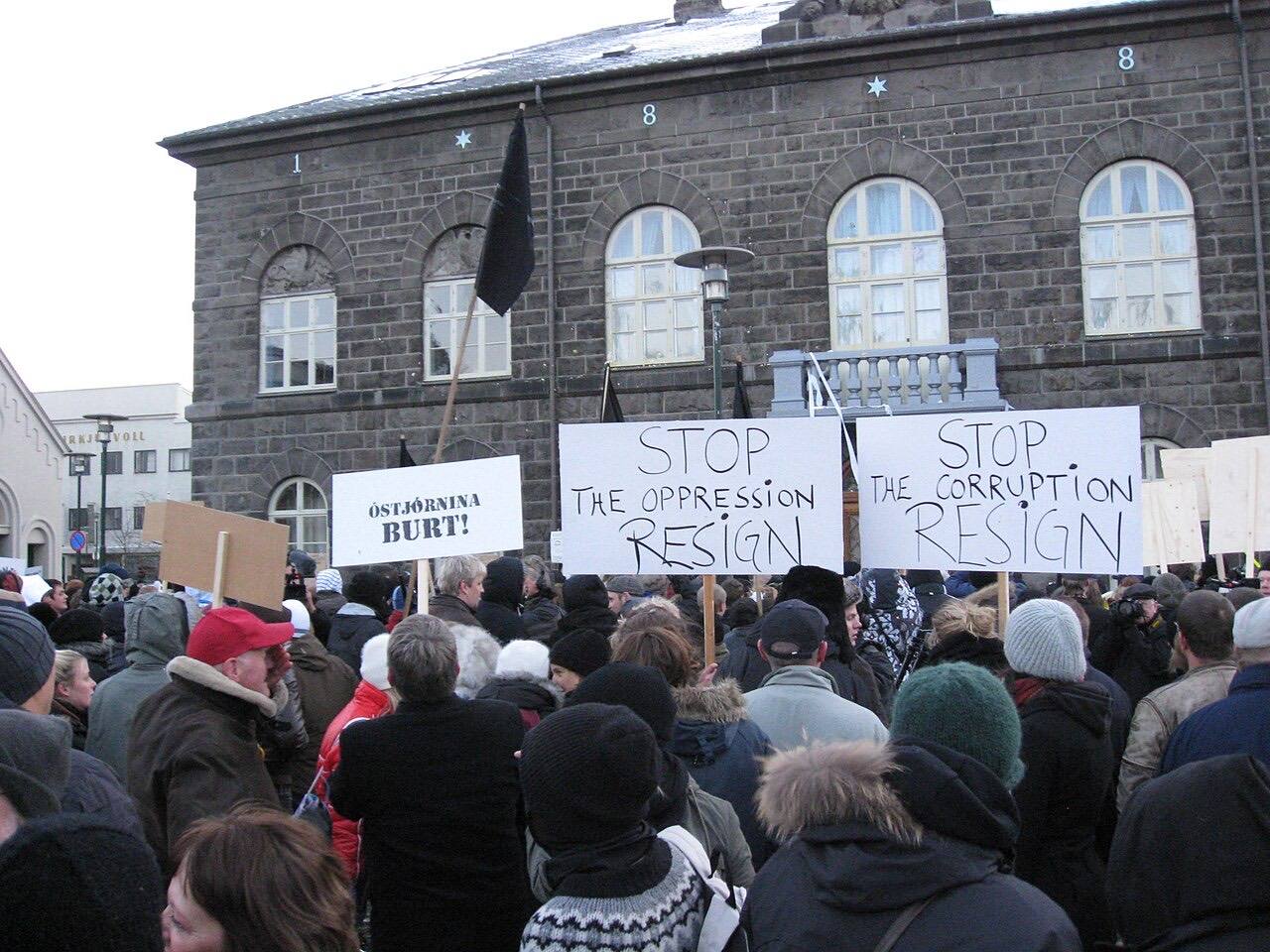
The calls for increased wages and benefits resonate with many, but the left must also recognize that excessive demands can backfire. If businesses are overwhelmed by unrealistic expectations, it could lead to layoffs, reduced hiring, or even business closures. Labor advocates must strike a balance between fighting for workers’ rights and acknowledging the economic realities that businesses face, particularly in an increasingly competitive global market.
Right-Wing Responses: The Case for Capital
Conversely, the right often positions itself as champions of capitalism, emphasizing the importance of free-market principles and the need for businesses to thrive. In this view, labor strikes are seen as obstacles to economic progress. However, the right's tendency to dismiss workers’ grievances as mere cries for entitlement can be equally detrimental. Ignoring the plight of the labor force only serves to alienate a significant portion of the electorate who feel unheard and undervalued.
The right must recognize that a healthy economy is composed of satisfied workers. While it is crucial to support businesses, there is an inherent danger in painting labor strikes as a threat to capitalism without acknowledging the valid concerns that motivate such actions. A more nuanced approach would involve recognizing the importance of labor relations and striving for an equilibrium that benefits both parties.
Incentives and Consequences
Both sides must understand that labor strikes are often born from a sense of desperation. When workers feel undervalued or exploited, they are left with little choice but to take drastic action. This reality should prompt both political factions to consider the implications of their rhetoric and policies. The left must temper its demands with an understanding of economic viability, while the right must acknowledge the necessity of fair labor practices.
Furthermore, the media's portrayal of strikes often exacerbates the situation. Sensational headlines can lead to public outrage on both sides, fueling divisiveness rather than fostering dialogue. A responsible media should aim to present a balanced view that highlights not only the struggles of workers but also the challenges faced by businesses in a rapidly changing economic landscape.
A Call for Constructive Dialogue
As labor strikes continue to make headlines, it is imperative that both political factions embrace a more constructive dialogue. Instead of resorting to extremes, leaders on both sides should seek common ground that prioritizes the welfare of workers while also ensuring that businesses can thrive. This balancing act is not only essential for the economy but also for the overall health of our democratic process.
✦ ✦ ✦