From the file. Written for the paper dated April 2001. Opened in the public stacks July 14, 2026.
In the ongoing saga surrounding the special counsel investigations, a critical evaluation of the information presented to the public reveals gaps that must be addressed. Both the left and right have their own narratives, often omitting key facts to fit their agendas.
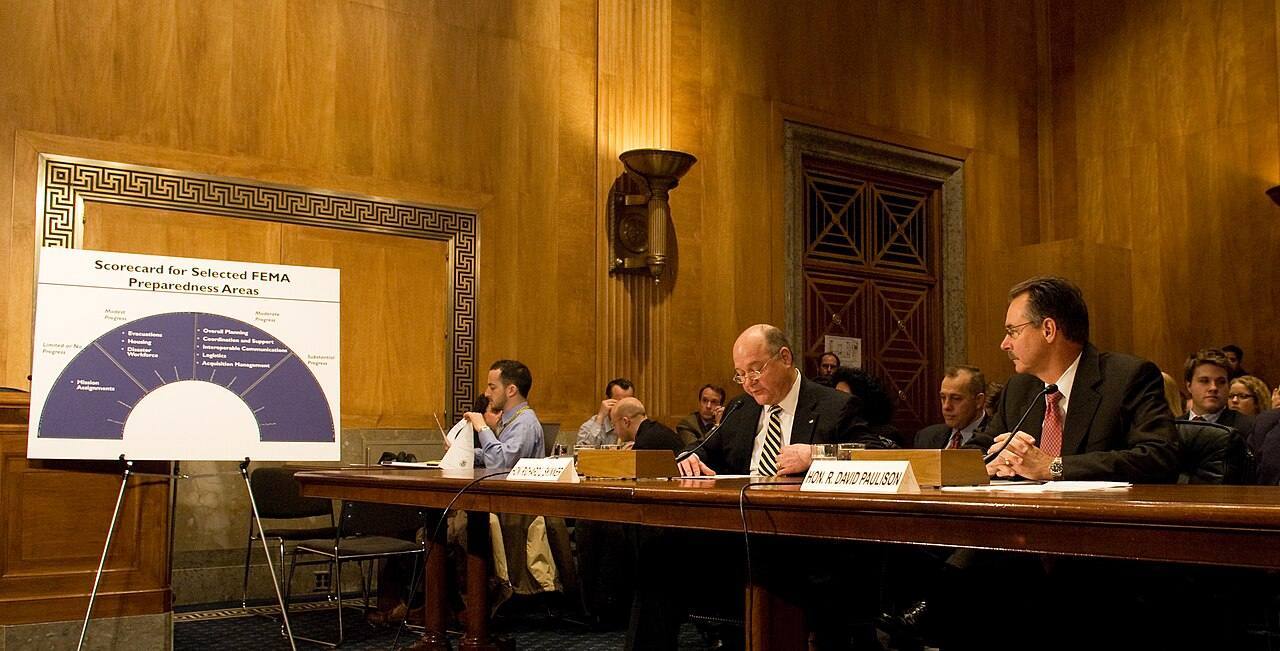
The Special Counsel's Role
The appointment of a special counsel is intended to provide an impartial investigation into sensitive matters that may involve conflicts of interest within the regular judicial system. This process is designed to uphold the integrity of our legal institutions and ensure that justice is served without bias. However, the discourse surrounding these investigations has become increasingly polarized, with both sides of the political spectrum actively shaping the narrative to bolster their respective positions.
Left-Wing Narratives
On the left, there is a tendency to elevate the special counsel's findings as a definitive condemnation of the political right. This perspective often emphasizes allegations without sufficient context or consideration of the broader implications. The narrative tends to focus on the wrongdoings of those in power while neglecting to acknowledge the complexities of the situation, including the limitations of the special counsel's mandate and the potential for legal overreach.
“The truth lies in the nuances, yet many choose to ignore them, seeking instead to fuel partisan outrage.”
Right-Wing Reactions
Conversely, the right tends to dismiss the special counsel's investigations as politically motivated witch hunts, framing the entire process as an attack on their values and leadership. This oversimplification ignores the potential validity of the findings and undermines the importance of accountability. In an environment where defending one’s political tribe takes precedence over the pursuit of truth, critical evidence is often brushed aside, and the notion of justice becomes secondary to loyalty.
What’s Missing from the Briefings
In both cases, the public is left with a skewed understanding of the issues at hand. The briefings provided by the special counsel often focus on sensational allegations, but what is frequently left out are the nuances of the law and the intricate web of relationships that may influence the investigation. The complexity of political dynamics and the potential ramifications of the findings are rarely explored in depth, leading to a superficial grasp of the situation.
The Need for a Balanced Perspective
As members of the media and the public engage with these investigations, there is a pressing need for a balanced perspective that transcends partisan lines. It is crucial to recognize that both the left and the right can contribute to an environment where the truth is obscured, whether through sensationalism or dismissal of legitimate concerns. A responsible approach would involve scrutinizing the findings of the special counsel while remaining vigilant against the urge to politicize every detail.
Encouraging Civil Discourse
In this politically charged atmosphere, fostering civil discourse becomes more important than ever. We must encourage discussions that prioritize facts over fervor. Engaging with differing views can help illuminate the complexities of the special counsel's work and promote a more comprehensive understanding of the issues at play. This effort will require an open mind and a willingness to entertain perspectives that may differ from our own.
Conclusion
As the investigations continue, it is essential for all parties involved - politicians, the media, and the public - to strive for a clearer reading of the special counsel’s work. The path forward demands a commitment to accuracy, accountability, and a recognition of the intricate realities surrounding these high-stakes inquiries. Only then can we hope to navigate the murky waters of political intrigue and emerge with an understanding rooted in truth.
✦ ✦ ✦