From the file. Written for the paper dated February 2001. Opened in the public stacks July 14, 2026.
In an era where environmental concerns loom large, the latest ocean survey offers a clearer understanding of our oceans, revealing the stark realities of marine ecosystems while simultaneously feeding into the growing marketplace of certainty in science.

Understanding Our Oceans
The recent ocean survey, conducted by a consortium of marine research institutions, aims to map the health of our oceans in unprecedented detail. As global temperatures rise and pollution levels escalate, the findings are more than just scientific data; they are a rallying cry for action. The survey indicates alarming trends in marine biodiversity loss and habitat degradation, which has sparked a fresh wave of discussions among policymakers, environmentalists, and the public.
However, while the urgency of the findings is undeniable, the manner in which these results are being communicated raises questions about the balance between alarmism and accurate representation. As scientists rush to publish their findings, the media's portrayal of these results often leans toward sensationalism, which can mislead the public rather than inform them.
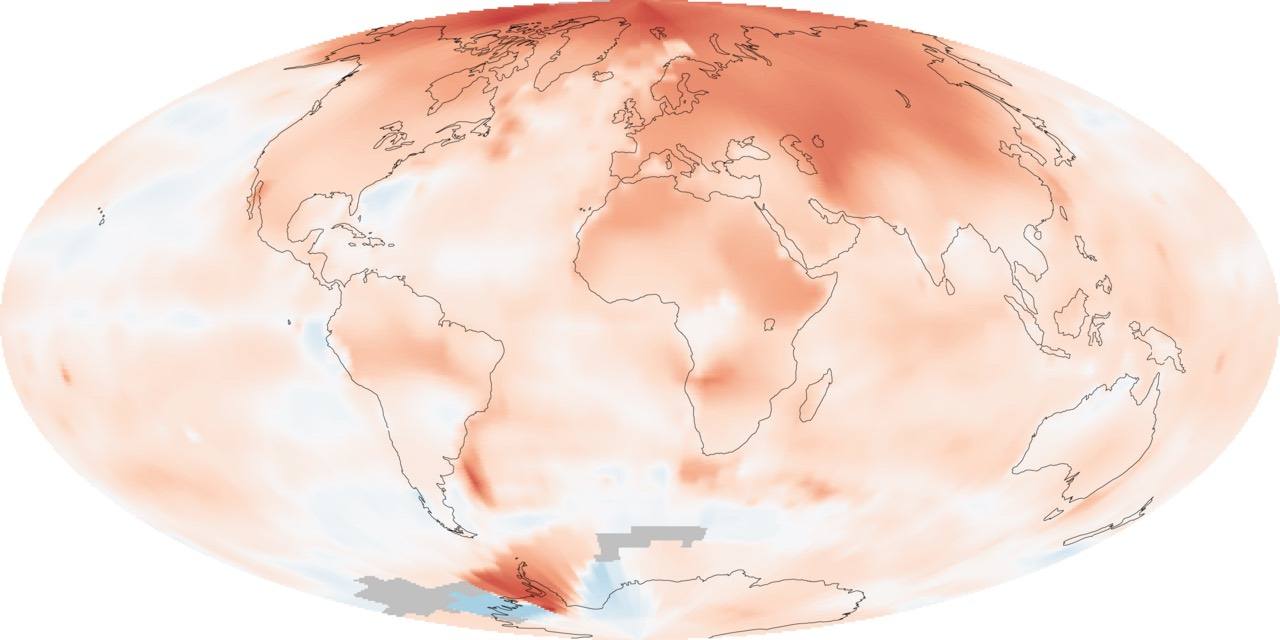
The Market for Certainty
In today's climate, certainty has become a commodity. The public is inundated with messages of doom and gloom regarding environmental issues, leading many to cling to clear and unequivocal interpretations of complex scientific findings. This trend is evident across the political spectrum, as both left-leaning and right-leaning factions use scientific data to bolster their agendas.
"The public wants answers, and scientists are feeling the pressure to provide them, even when the data is inconclusive."
On the left, environmentalists are quick to seize upon survey results to advocate for sweeping policy changes, often presenting findings in stark contrast to historical data. The call for immediate action is understandable - after all, the health of the planet is at stake. However, the risk here is that important nuances may be lost in the rush to galvanize public support. In their zeal, they may present a black-and-white view of an issue that is inherently complex.
Conversely, the right often dismisses the findings altogether, casting doubt on the motivations of scientists and environmental advocates. This skepticism, while often rooted in a desire for economic growth and energy independence, can lead to the promotion of misinformation. By rejecting the survey's findings or framing them as exaggerated, the right risks undermining genuine scientific discourse, which is crucial for informed decision-making.
The Role of the Media
Media outlets play a crucial role in shaping the public's understanding of scientific findings. Unfortunately, the race for ratings often leads to sensational headlines that amplify fear rather than foster understanding. As a result, the public may become desensitized to real threats, viewing environmental issues as mere fodder for debate rather than critical challenges requiring collective action.
This is where the responsibility of journalists becomes paramount. Striking a balance between reporting alarming trends and providing context is essential. Science journalism should not merely echo the loudest voices but should delve into the complexities of the findings, offering readers a more holistic view of the issues at hand.
A Call for Nuanced Discourse
Both environmental advocates and skeptics have valid concerns, but the discourse surrounding ocean health must move beyond binary thinking. It is crucial for both sides to engage in thoughtful dialogue, recognizing that science is rarely absolute. The ocean survey underscores the need for nuanced discussions that acknowledge uncertainty while still urging decisive action.
As we navigate these turbulent waters, it is imperative to remember that the stakes are high. Our oceans are not just a backdrop for the planet's ecosystem; they are vital to human survival. Therefore, the discourse surrounding scientific findings should elevate our understanding rather than diminish it.
Ultimately, the future of our oceans depends on everyone - scientists, policymakers, journalists, and the public - working together to foster a culture of informed dialogue. Only then can we hope to address the pressing challenges our oceans face effectively.
Conclusion
In conclusion, the recent ocean survey offers a critical glimpse into the state of our oceans, but the broader implications of its findings extend beyond mere statistics. As certainty continues to sell briskly in the marketplace of public opinion, it is vital that we prioritize accuracy and nuance in our discourse. Only through collaborative efforts and a commitment to informed discussion can we hope to protect the vital resources our oceans provide.
✦ ✦ ✦