From the file. Written for the paper dated December 2000. Opened in the public stacks July 14, 2026.
The veterans affairs backlog stands as a silent testament to a system struggling under the weight of its own bureaucracy, a failure of oversight that reflects poorly on both sides of the political spectrum.
The State of Affairs
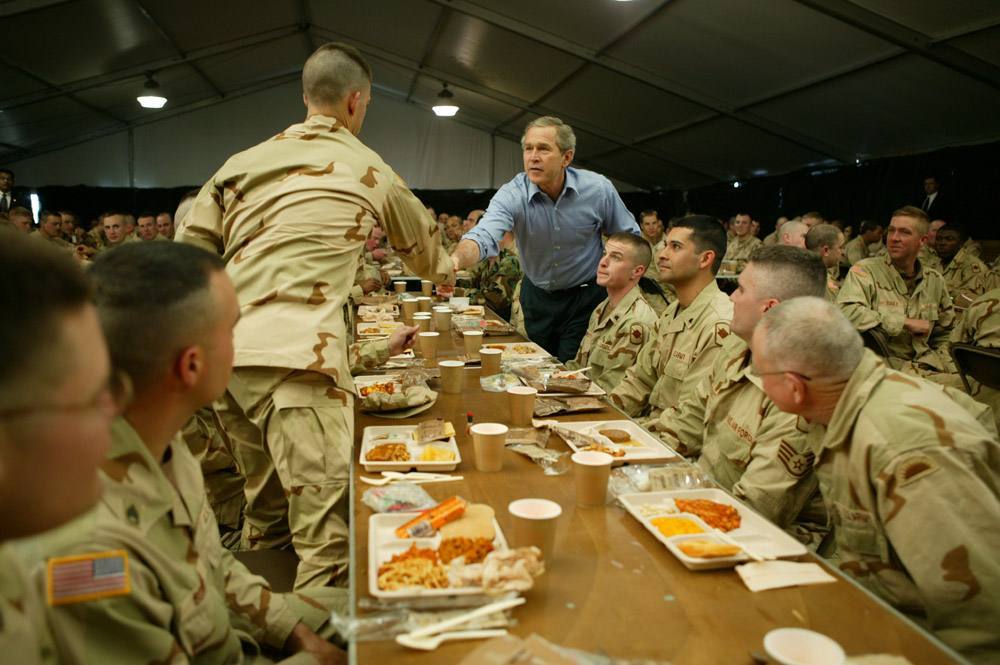
As we enter the final month of the year 2000, the plight of our nation's veterans is overshadowed by the high-stakes political drama surrounding the presidential election. Yet, away from the campaign trails and debates, a critical issue looms: the alarming backlog within the Department of Veterans Affairs. This backlog, which has been growing for years, reveals a disturbing trend of neglect and inefficiency that affects those who have served our country.
The numbers speak volumes, with thousands of veterans waiting for benefits, medical treatment, and claims processing. It is not just a statistic; it is a reality for men and women who have sacrificed their well-being for the nation. These individuals are now left to navigate a cumbersome system that seems to prioritize red tape over care.
"The backlog in veterans affairs is not just a bureaucratic issue; it is a moral failing."
Political Apathy and Blame Games
Both sides of the political aisle have long paid lip service to the needs of veterans, yet concrete actions have been alarmingly scarce. The Republican party often touts the importance of supporting the military but fails to adequately fund the VA or streamline its processes. Meanwhile, Democrats repeatedly advocate for veterans' rights but fall short on delivering necessary reforms. The result is a system that is as dysfunctional as it is frustrating.
This political apathy is compounded by a blame game that has ensued since the backlog began to grow. As election year fervor takes over, veterans' issues risk being relegated to the sidelines. The right decries government inefficiency while the left calls for more funding, yet neither side seems willing to truly address the root causes of the backlog.
Oversight and Accountability
One of the most glaring failures in the veterans affairs system is a lack of effective oversight. The VA has become a tangled web of regulations and procedures, where accountability is often lost in the shuffle. Without a clear strategy for addressing these issues, the department has struggled to adapt to the changing needs of veterans.
Additionally, whistleblowers within the VA have come forward to shed light on the internal struggles faced by the department. Their accounts reveal a culture of fear and complacency that stifles innovation and reform. If the VA cannot acknowledge its shortcomings, how can it possibly hope to improve the situation for veterans?
"Whistleblowers are often silenced in a system that fears change."
Calls for Reform
As we reflect on the ongoing crisis within the VA, it is evident that reform is not merely a necessity; it is an imperative. Advocates for veterans' rights are calling for comprehensive changes that encompass both policy and practice. This includes streamlining the claims process, increasing funding for healthcare services, and fostering an environment where whistleblowers can safely report issues without fear of retribution.
However, reform efforts have often been stymied by political division and a lack of urgency. As elected officials prepare for a new administration, the question remains: will they prioritize the issues facing veterans, or will they continue to be distracted by partisan battles?
The Path Forward
Moving forward, it is essential for both parties to come together to address the shortcomings of the veterans affairs system. A collaborative approach that prioritizes the needs of veterans can pave the way for meaningful change. This is not about team jerseys; it is about the lives and well-being of those who have served our country.
In the end, the true measure of a nation is how it treats its veterans. As 2000 draws to a close, we must ask ourselves: are we truly doing enough to honor their sacrifices, or are we allowing them to fall through the cracks of an inefficient system?
✦ ✦ ✦