From the file. Written for the paper dated December 2000. Opened in the public stacks July 14, 2026.
As we enter the final month of a contentious year marked by a polarizing election and an escalating culture war, it becomes increasingly vital to scrutinize how both the left and the right have approached the fundamental issue of free speech. What emerges from this examination is a troubling narrative of oversight and selective advocacy that threatens to undermine the very freedoms they claim to champion.
The Left's Censorship Quandary
In recent times, the left has often positioned itself as the guardian of free expression, standing up for marginalized voices and challenging oppressive narratives. However, the same institutions that claim to fight for free speech are also willing to silence dissenting opinions when it suits their agenda. This is evident on college campuses, where a growing number of speakers have been disinvited or protested against for holding views that diverge from the mainstream progressive ideology. The message is clear: certain ideas are not welcome, despite the professed commitment to diversity of thought.
"The left's selective advocacy for free speech raises questions about their genuine commitment to the principle."
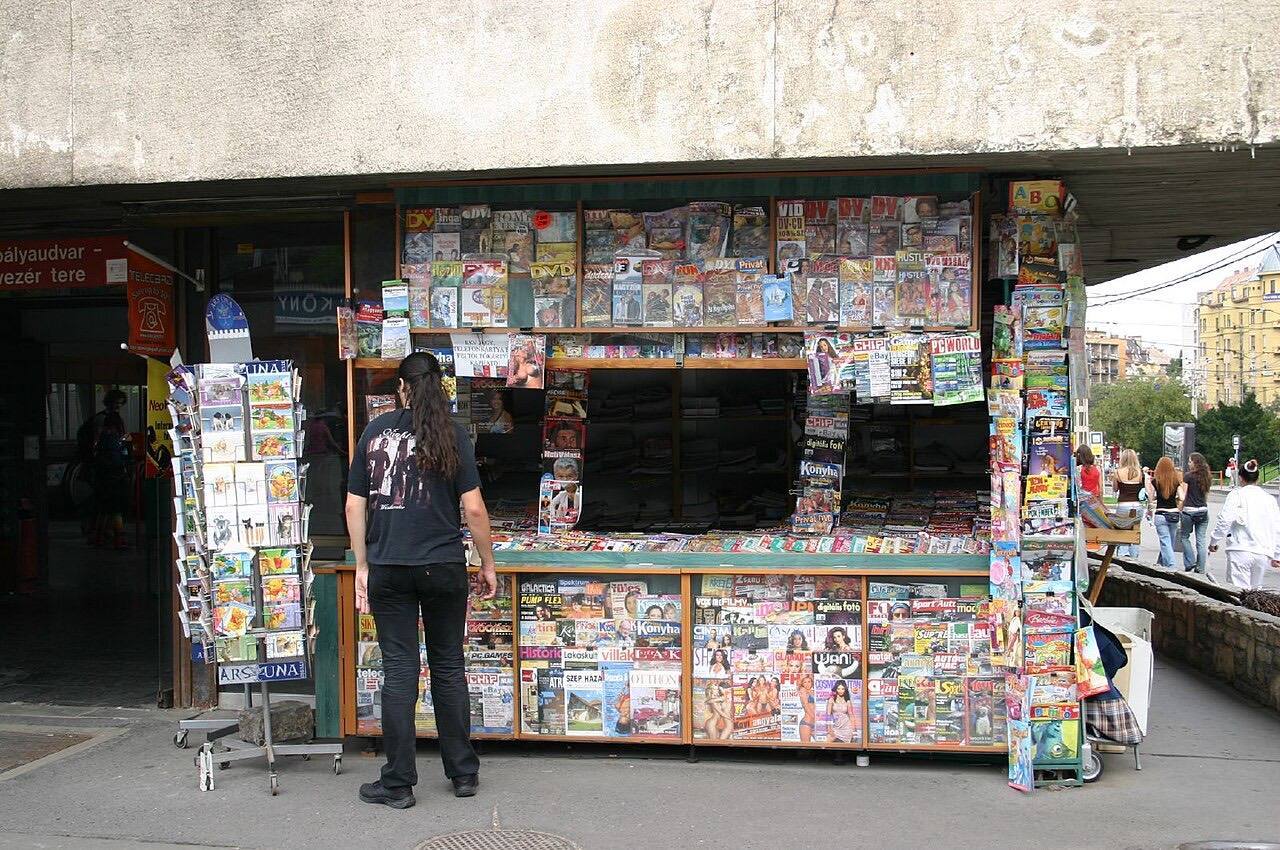
Furthermore, the media landscape has witnessed a similar contradiction. Outlets that pride themselves on being the "voice of the people" are increasingly curating the narratives they choose to amplify, often ignoring perspectives that challenge their editorial stances. This leads to a homogenization of thought and a stifling environment where only certain viewpoints are deemed acceptable. The irony is palpable: in their quest to uplift the oppressed, the left may inadvertently be suppressing the very diversity they claim to champion.

The Right's Hypocrisy on Speech
On the other side of the aisle, the right has positioned itself as a defender of free speech, particularly in response to perceived overreach from the left. Yet, this self-portrayal is equally fraught with contradictions. While they rally against political correctness and advocate for the right to express conservative viewpoints, many on the right have shown a troubling willingness to silence voices they deem "un-American." The recent calls to restrict or regulate certain forms of media, particularly in areas involving cultural criticism or political dissent, illustrate this hypocrisy.
"The right's reactionary stance on speech often mirrors the suppression they claim to oppose."
Furthermore, the conflation of patriotism with free speech often leads to an environment where criticism of government actions or policies is met with hostility. This knee-jerk reaction stifles genuine discussion and debate, fostering a culture where dissenting opinions are labeled as treasonous. Such behavior not only contradicts the principles of free speech but also emboldens those who wish to silence opposition through intimidation rather than argument.
The Failure of Oversight
Both parties have demonstrated a failure of oversight regarding free speech, revealing a broader issue at play: the prioritization of political agendas over fundamental rights. The resulting climate is one where individuals feel compelled to self-censor or conform to prevailing narratives, fearing backlash from both sides of the political spectrum. This is not the hallmark of a healthy democracy; rather, it is a sign of a society in which fear stifles the exchange of ideas.
As citizens, it is our responsibility to demand accountability from both sides. Free speech does not belong to a single political faction - it is a universal right that requires unwavering protection. The moment we allow partisan interests to dictate what can and cannot be said is the moment we begin to lose our freedoms. The ongoing failure to uphold the principles of free expression will have lasting consequences for our society, leading to further division and resentment.
Moving Forward
As we navigate the murky waters of political discourse, it is essential to advocate for a more inclusive approach to free speech. This means pushing back against both the left and the right when they overstep in their zeal to advance their narratives. We must strive to create an environment where all voices can be heard, regardless of whether they align with our personal beliefs.
In this age of division, the defense of free speech should not come with a team jersey. It is time to recognize that true commitment to free expression means protecting the right to dissent, even when it is uncomfortable. Only then can we hope to foster a culture of genuine dialogue and understanding that transcends the partisan divide.
✦ ✦ ✦