From the file. Written for the paper dated November 2000. Opened in the public stacks July 14, 2026.
As October 2000 draws to a close, the debate over steel tariffs continues to ignite passions across the political spectrum. With the presidential election just days away, both sides of the aisle are using the issue to bolster their platforms, often at the expense of nuanced discussion.
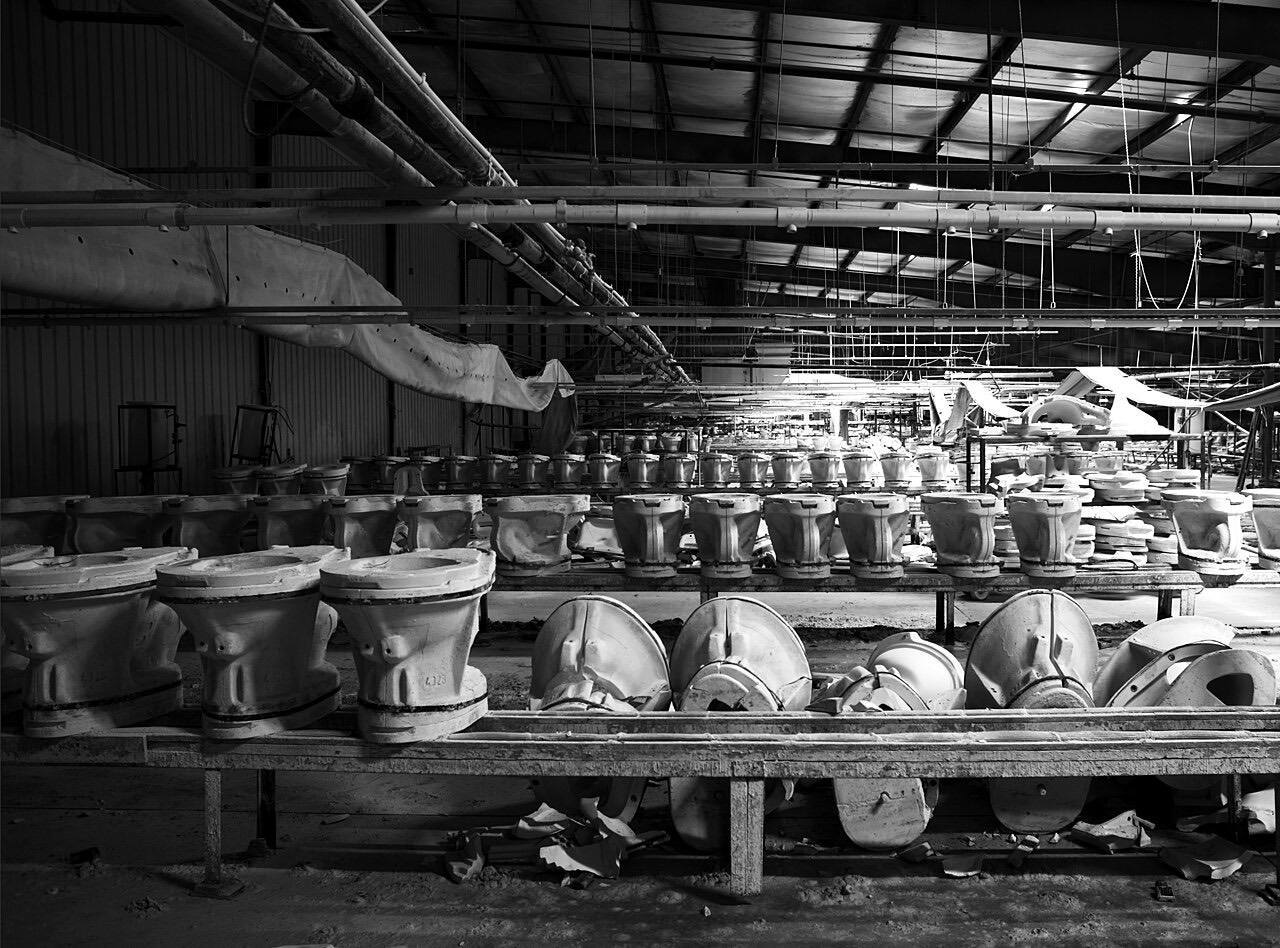
The Tariff Tug-of-War
The steel industry, once a linchpin of American manufacturing, has become a battleground for political rhetoric and economic strategy. The Bush campaign has positioned itself as a champion of American workers, advocating for tariffs to protect domestic steel producers from foreign competition. On the other hand, the Gore campaign warns that such tariffs could lead to higher prices for consumers and retaliatory measures from trading partners. Both sides present their arguments as if they are the sole protectors of American interests, yet the reality is far more complex.
"Tariffs may protect some jobs, but they can also hurt many more."
Critics from both sides of the aisle have pointed out that while tariffs may provide short-term relief for steelworkers, they ultimately threaten jobs in downstream industries such as automotive and construction. The National Association of Manufacturers has argued that imposing tariffs could result in job losses that far exceed the number of positions saved in the steel sector. This perspective highlights a critical tension in American economic policy: the balance between protecting specific industries and ensuring broader economic health.
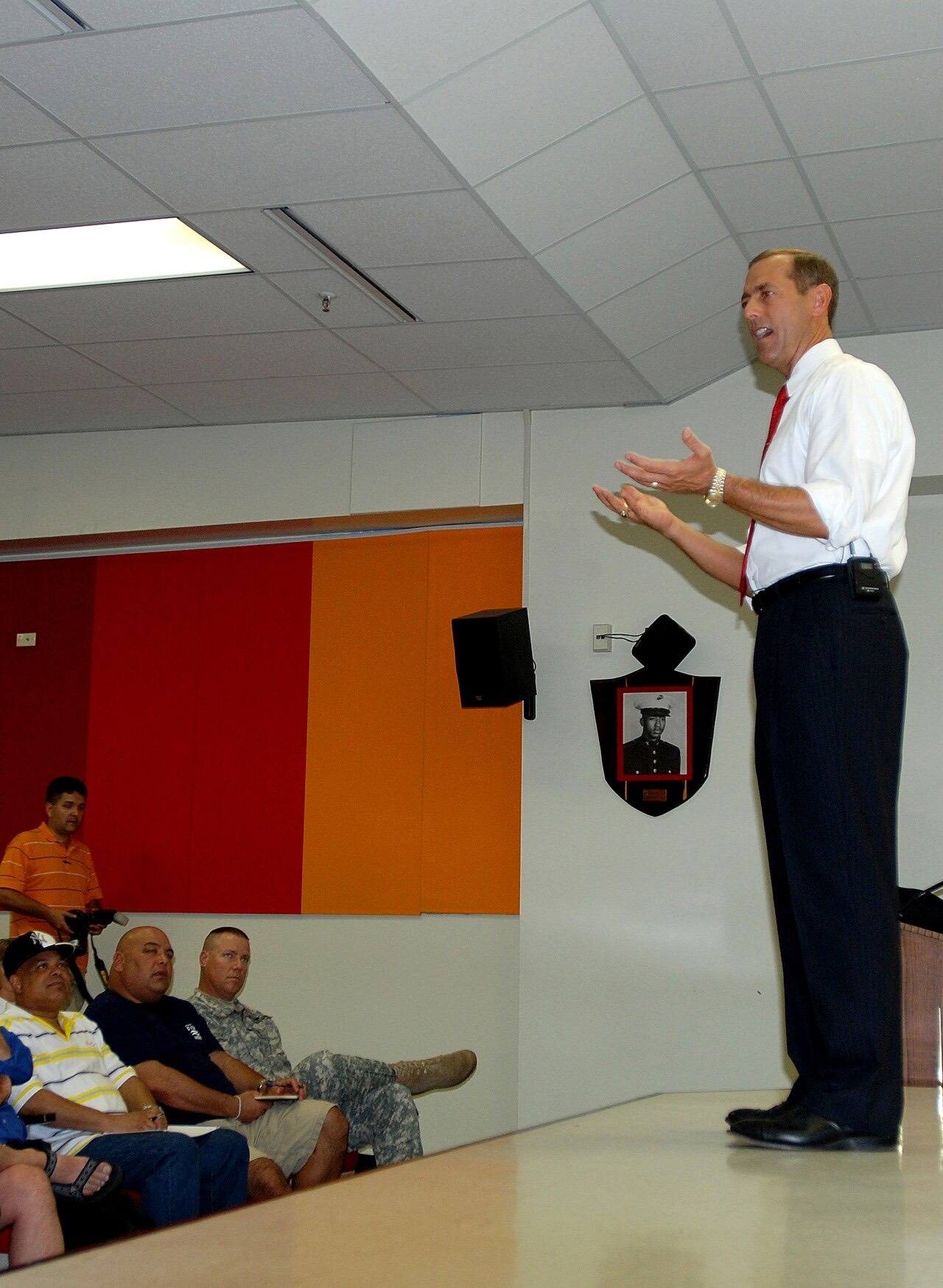
Partisan Posturing and Economic Reality
As the debate intensifies, it has become increasingly difficult to separate genuine concern for workers from political posturing. The left has been quick to denounce the Bush administration's focus on tariffs as an example of shortsightedness. They argue that a protectionist approach could lead to a trade war that would ultimately do more harm than good. Meanwhile, the right has accused the left of being out of touch with the struggles of American workers, framing their opposition to tariffs as a betrayal of the very people they claim to support.
Both narratives fail to fully address the complexities of the steel industry and its interconnectedness with other sectors. The rhetoric used by both parties often oversimplifies the issue, reducing it to a binary choice between protecting jobs and promoting free trade. However, the reality is that a balanced approach is necessary to address the challenges facing American workers while also considering the long-term implications for the economy as a whole.
Looking Ahead: A Call for Pragmatism
As the election draws near, it is crucial for voters to critically evaluate the claims being made by both parties regarding steel tariffs. The looming question remains: how can we protect American jobs without stifling economic growth? The answer lies in pragmatic policies that seek to bolster domestic production while encouraging innovation and competitiveness on the global stage.
It is imperative for both candidates to move beyond the rhetoric and recognize that an effective approach to trade policy must be multifaceted. This means not only protecting key industries but also investing in worker retraining programs to ensure that those affected by job losses are equipped for the jobs of the future. Without such a comprehensive strategy, the fight over steel tariffs risks becoming a mere pawn in a larger political game.
The steel tariff debate exemplifies the broader struggle in American politics to balance protectionism with free trade principles. Both sides must grapple with the realities of globalization and the need for a workforce that can adapt to an ever-changing economic landscape. As the nation stands at this crossroads, a more moderate and thoughtful approach may be the key to navigating the complexities of modern trade policy.
✦ ✦ ✦