From the file. Written for the paper dated October 2000. Opened in the public stacks July 14, 2026.
In the often polarized debate surrounding labor unions, the mechanics of union elections frequently take a backseat to more sensational narratives. As the nation approaches significant elections, the intricacies of union elections warrant our attention, particularly as they reveal the underlying tensions between workers' rights and corporate interests.

The Mechanics of Union Elections
Union elections serve as the battleground for employees seeking collective bargaining rights, yet the very process can be fraught with controversy. The National Labor Relations Board (NLRB) oversees these elections, but the rules and procedures can often feel like an afterthought amid the grander discussions of labor rights. Both labor advocates and corporate representatives engage in a tug-of-war, often ignoring the procedural complexities that determine the outcome of these elections.
At the heart of the issue is the union election procedure, which can be cumbersome and opaque. The NLRB's processes involve a series of steps, from filing a petition to conducting the election itself. Unfortunately, many workers remain uninformed about their rights and the means to exercise them, primarily due to a lack of transparency in the election process.
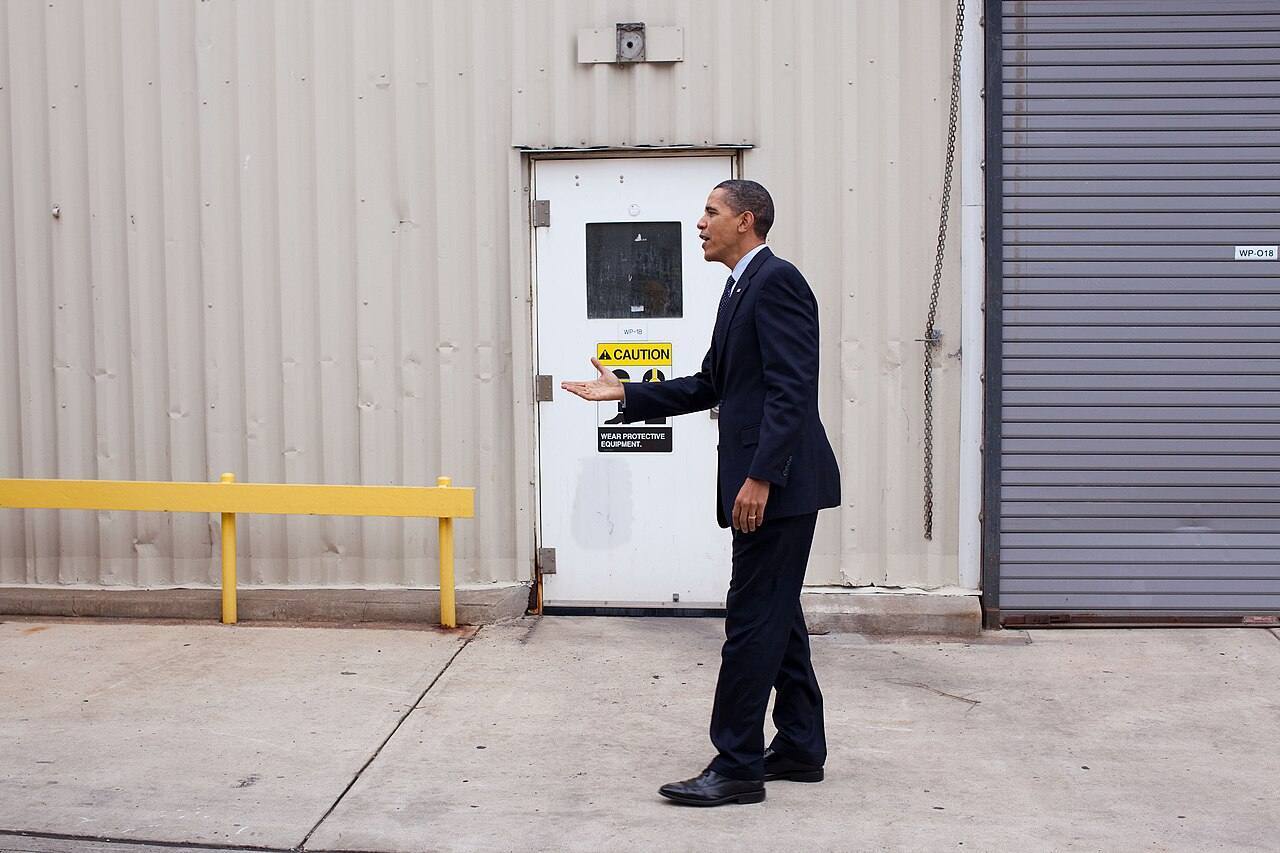
"The mechanics of union elections are often overshadowed by the political rhetoric that surrounds them."
Corporate Resistance and Union Advocacy
On one side, corporate entities often employ aggressive tactics to discourage unionization. They may resort to misinformation campaigns, intimidation, and other forms of coercion, creating an environment where workers feel unsafe exercising their rights. The rhetoric from the right frequently frames unions as obstacles to economic growth, perpetuating a narrative that can undermine the importance of collective bargaining.
Conversely, labor advocates frequently display an unyielding zeal for unionization, often overlooking the nuances and challenges that come with the process. While the right emphasizes the potential economic harm of unions, the left can sometimes romanticize the union experience, glossing over the realities that workers face during elections. This dichotomy not only muddles the conversation but also inhibits constructive dialogue about how to improve the union election process.
Bridging the Divide
As we explore the complexities of union elections, it is essential to bridge the divide between the extremes. The right must acknowledge that unions can offer workers essential protections and benefits, while the left must recognize that the unionization process is not without its challenges. A more nuanced understanding of both positions can lead to meaningful reforms that better protect workers' rights while respecting corporate interests.
One potential avenue for improvement lies in enhancing transparency throughout the election process. By making information about union rights and the election procedure readily available, workers can make more informed decisions. The NLRB should prioritize outreach efforts to educate employees about their rights and the voting process, fostering an environment where workers feel empowered to participate.
"A more informed electorate is crucial for the integrity of union elections."
Looking Ahead
As the nation grapples with the implications of a polarized political climate, it is imperative to keep the focus on the procedural aspects of union elections. Both sides of the political aisle must refrain from using unions as pawns in a larger ideological battle. Instead, they should commit to ensuring that workers have the tools and knowledge necessary to exercise their rights effectively.
Ultimately, the discussion surrounding union elections should not be about union versus corporation, but rather about fairness, transparency, and the empowerment of workers. By emphasizing the importance of the election process itself, we can pave the way for a more equitable labor landscape that benefits everyone involved.
✦ ✦ ✦