From the file. Written for the paper dated October 2000. Opened in the public stacks July 14, 2026.
In the aftermath of the State of the Union address, the American political landscape reveals a troubling trend: a growing division that often prioritizes team allegiance over substantive discussion.
The Need for Genuine Discourse
The aftermath of the President's address showcased a familiar pattern. Politicians and pundits rushed to their respective corners - Republicans donned the team jersey of support, while Democrats prepared their rebuttals with an almost choreographed precision. This binary response leaves little room for genuine discourse, stifling the nuanced conversations that the American public deserves.
The State of the Union is traditionally viewed as a moment of unity, a time when elected officials can come together to reflect on the nation’s challenges and achievements. However, the reality is far different. Instead of engaging in a constructive dialogue, many representatives fall back on partisan rhetoric, reinforcing the divides that plague our political system.
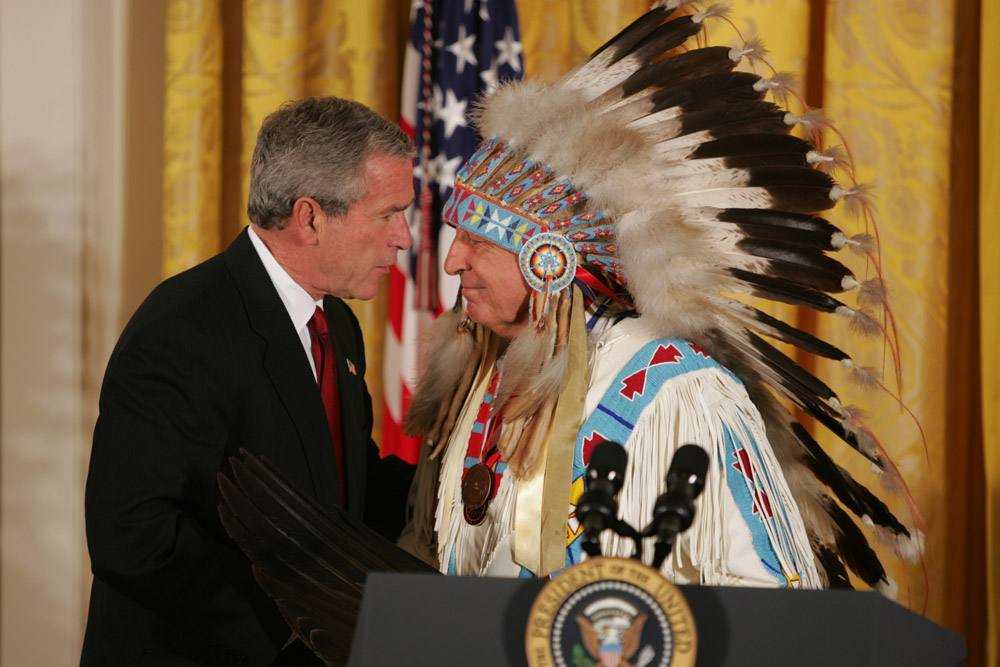
"In today's climate, it seems that loyalty to party outweighs loyalty to country."
A Call for Accountability
Both sides of the aisle must confront their own excesses. The left often leans into hyperbole, painting every decision from the administration as a catastrophic failure. This approach alienates moderates and independent voters who may be seeking practical solutions rather than apocalyptic narratives. On the right, the response is often characterized by a refusal to acknowledge any shortcomings, portraying a rosy picture that disregards the challenges faced by many Americans.
This one-dimensional thinking not only undermines the political process but also erodes public trust. Voters are left feeling disenfranchised, caught in a tug-of-war between two sides that seem more committed to winning than to governing. The absence of accountability, especially in a time of crisis, breeds cynicism and further divides the electorate.
Media’s Role in the Fray
The media, too, has a significant role in this cycle of excess. Coverage often favors sensationalism over substance. Pundits and commentators, eager to attract viewership, amplify the most extreme voices while neglecting moderate or pragmatic perspectives. This relentless focus on conflict and drama only serves to deepen the chasm between left and right.
In many ways, the media has become a participant in the political game, rather than an impartial observer. This shift raises important questions about the responsibility of journalists to foster informed debate rather than simply reflecting the divisive nature of contemporary politics.
What’s at Stake?
The consequences of this lack of substantive discussion go beyond mere political theatrics. Issues such as healthcare, education, and national security require thoughtful, bipartisan approaches to ensure that the needs of all Americans are met. The current climate, however, makes it increasingly difficult to achieve consensus on even the most pressing problems.
Take healthcare as an example. Both parties agree that reform is necessary, yet the dialogue is mired in accusations and partisan sniping. Instead of collaborating to create effective solutions, they retreat to their respective camps, allowing the opportunity for meaningful reform to slip away.
Bridging the Divide
To reclaim the political discourse, we must encourage leaders to step outside their comfort zones. Politicians should prioritize the interests of their constituents over party loyalty. This requires a willingness to engage in civil debate, to listen to opposing viewpoints, and to seek common ground.
Moreover, voters must hold their elected officials accountable. Engaging in local politics, participating in town hall meetings, and demanding transparency can empower citizens to influence the direction of their representatives. It is crucial for the electorate to demand that their leaders engage in constructive conversations rather than fall back on tired partisan tropes.
Conclusion: A Path Forward
The aftermath of the State of the Union address is a reflection of a broader issue within American politics. The tendency to prioritize party allegiance over meaningful discussion is detrimental to our democracy. It is imperative for all sides to move beyond the theatrics of partisan politics and engage in the hard work of governance.
As the nation grapples with pressing issues, now is the time for both politicians and citizens to demand a higher standard of discourse - one that prioritizes the well-being of the country over the whims of party loyalty. Only then can we hope to bridge the divides that have come to define our political landscape.
✦ ✦ ✦