From the file. Written for the paper dated October 2000. Opened in the public stacks July 14, 2026.
As the world watches with bated breath, the excitement surrounding space launches often drowns out the underlying complexities and challenges of the procedure. Yet, amidst the fanfare and team jerseys, there lies a stark reality that few are willing to confront.
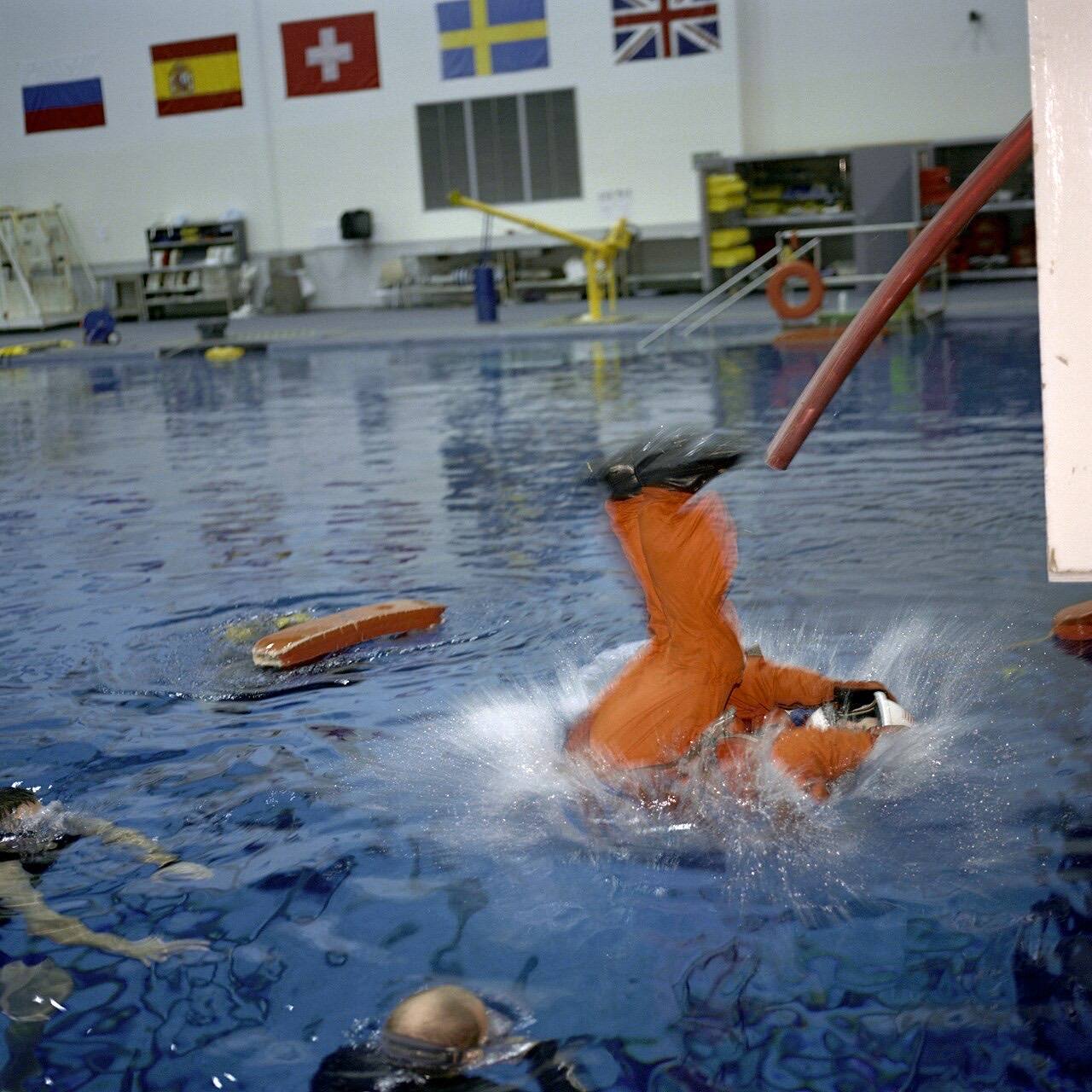
The Unseen Challenges of Space Launches
In an age where space exploration captures the imagination of millions, the public's attention is often focused on the spectacle of the launch itself, rather than the intricate and often grueling processes that precede it. The truth is that space launches are not merely the result of triumphs in engineering; they are a culmination of multi-faceted procedures that require meticulous planning, coordination, and execution.
One of the most significant yet overlooked aspects is the exhaustive testing phase. Before a rocket ever leaves the ground, it must undergo rigorous assessments to ensure every component functions flawlessly. This phase can be labor-intensive and time-consuming, often stretching over several years. Yet, it is this very foundation that ensures a successful launch.

"The thrill of the launch can overshadow the challenges faced in preparation."
However, with the excitement of a launch comes the pressure to perform. There is a palpable tension among teams as they strive to prevent any potential setbacks. The stakes are high; a single miscalculation can lead to catastrophic failure. Yet, in the rush to achieve success, the industry sometimes falls prey to an excessive optimism that downplays risks. This sentiment is not exclusive to any political party but rather reflects a broader cultural tendency to embrace hope over caution.
The Political Divide in Space Exploration
As the United States gears up for a new era of space exploration, the political landscape continues to grow increasingly polarized. On one side, there are those who advocate for an expansive vision of space exploration - one that includes ambitious missions to Mars and beyond. This vision, while inspiring, can often overlook the pragmatic considerations that must be addressed. The funding for such grand endeavors requires a significant commitment, and it is essential that policymakers balance their aspirations with fiscal responsibility.
Meanwhile, the other side of the aisle often champions a more cautious approach, emphasizing the need for critical investments in infrastructure and technology before embarking on grand missions. While this perspective is grounded in the realities of budget constraints and the necessity for thorough preparation, it can also become overly risk-averse, stifling creativity and innovation.
The Role of the Media
In the midst of these debates, the media plays a crucial role in shaping public perception of space exploration. Coverage tends to focus on the launch spectacle, with little attention given to the challenges faced during the preparatory phase. While it is essential to celebrate achievements, it is equally important to inform the public about the complexities that lie beneath the surface.
Moreover, sensational headlines can inadvertently contribute to unrealistic expectations. When the media portrays space launches as seamless triumphs, it risks alienating those who work tirelessly behind the scenes. The dedication of engineers, scientists, and support staff is often overshadowed by the dazzling images of rockets piercing the sky. This imbalance can foster a disconnect between public enthusiasm and the gritty reality of space exploration.
As we move forward into an era ripe with potential for space exploration, it is crucial to strike a balance between ambition and pragmatism. The challenges of preparing a rocket for launch must be acknowledged alongside the excitement of the event itself. By fostering a more nuanced understanding of the process, we can cultivate a sense of appreciation for the hard work and dedication that goes into every successful launch.
Moreover, both sides of the political aisle must recognize the importance of collaboration. The path forward in space exploration should not be dictated solely by partisan interests but rather by a shared commitment to advancing humanity's understanding of the cosmos. This requires a willingness to engage in honest discussions about funding, priorities, and the challenges that lie ahead.
Conclusion
Space launches are much more than a spectacle; they represent the culmination of years of preparation, testing, and collaboration across various fields. As we celebrate the pioneers who dare to explore the cosmos, let us not forget the unsung heroes who work tirelessly behind the scenes to make those dreams a reality. Balancing ambition with realism will be essential as we look toward the future of space exploration and the uncharted territories that await us.
✦ ✦ ✦