From the file. Written for the paper dated September 2000. Opened in the public stacks July 14, 2026.
As the debate over healthcare access rages on, a quieter but critical issue has emerged: pharmacy deserts. These areas, often overlooked in the discussions of healthcare inequities, have profound implications for public health.

The Reality of Pharmacy Deserts
Pharmacy deserts are communities that lack sufficient pharmacy access, leading to a situation where residents struggle to obtain necessary medications. This issue affects urban and rural areas alike, with low-income neighborhoods being disproportionately impacted. The absence of nearby pharmacies often forces individuals to rely on emergency rooms for prescriptions, resulting in higher healthcare costs and poorer health outcomes.
Understanding the Mechanisms
At the heart of the pharmacy desert phenomenon is a complex interplay of economic and social factors. The decline of local independent pharmacies, coupled with the consolidation of larger chains, has left many communities underserved. Large pharmacy chains often prioritize locations with higher profit margins, leaving lower-income areas with few or no options. This corporate strategy not only jeopardizes community health but also exacerbates socioeconomic disparities.
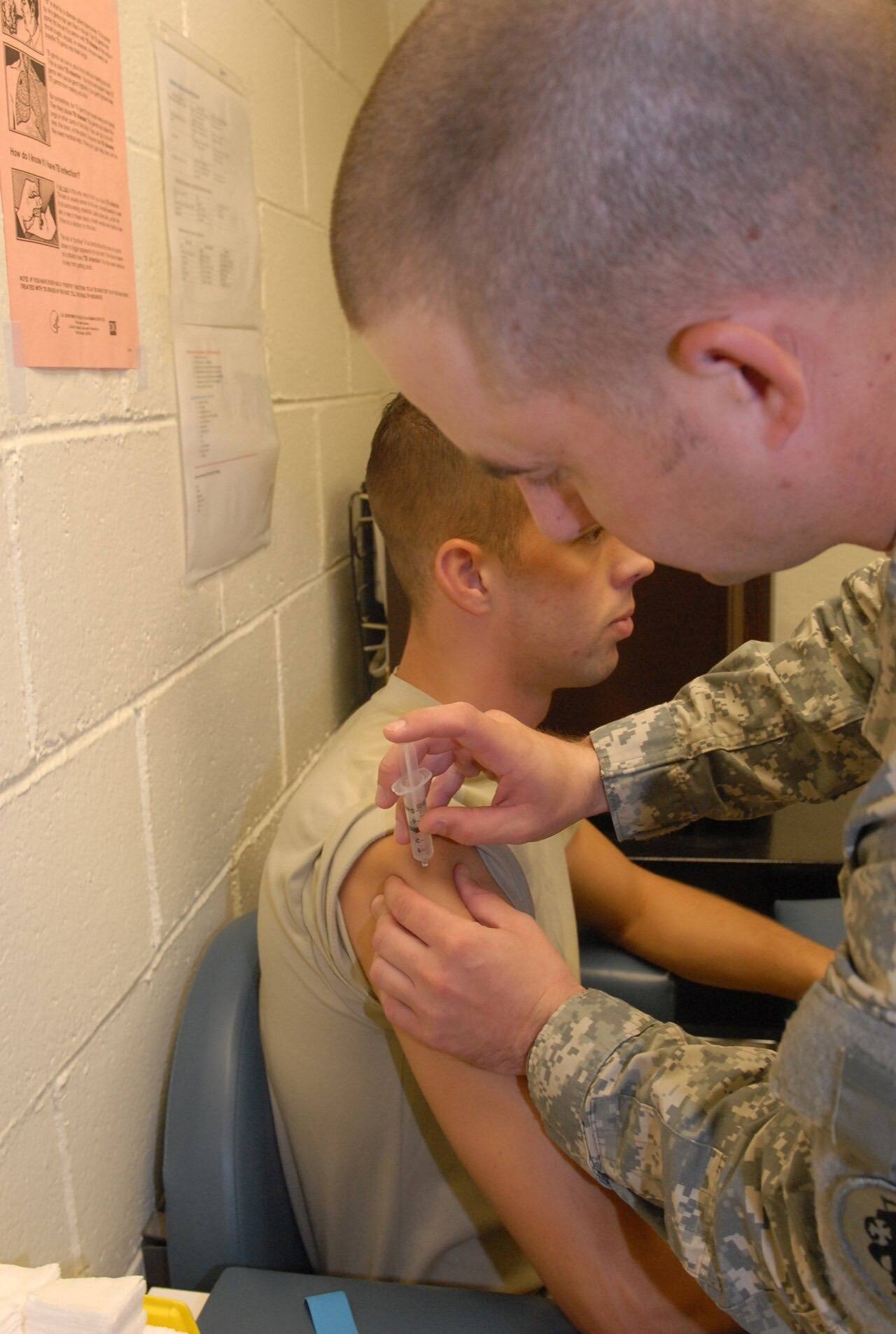
"The absence of nearby pharmacies often forces individuals to rely on emergency rooms for prescriptions."
Political Responses and Failures
The political response to pharmacy deserts has been tepid at best. While both sides of the aisle acknowledge the issue, their approaches often miss the mark. The left tends to emphasize the need for increased government intervention and regulation to ensure pharmacy access, while the right often advocates for market solutions that may not be effective in low-income areas. Both sides seem to overlook the pressing need for a comprehensive strategy that combines community engagement with sustainable business practices.
Community Impact and Health Outcomes
Residents in pharmacy deserts are not just facing inconvenience; they are at risk of serious health consequences. Without easy access to medications, individuals may skip doses or fail to fill prescriptions altogether. This can lead to complications in managing chronic conditions such as diabetes or hypertension, ultimately resulting in increased hospital visits and a heavier burden on the healthcare system.
Looking Towards Solutions
To combat the rise of pharmacy deserts, collaborative efforts are necessary. Community organizations, healthcare providers, and policymakers must work together to create solutions tailored to the needs of specific areas. Potential strategies include incentivizing pharmacies to open in underserved areas, promoting telepharmacy services, and establishing mobile pharmacies that can reach isolated communities.
The Role of Education
Education also plays a critical role in addressing pharmacy deserts. By raising awareness about the importance of medication adherence and available resources, communities can empower residents to advocate for their health needs. Public health campaigns can help demystify the pharmacy process and encourage individuals to seek out the medications they need.
Conclusion
The issue of pharmacy deserts may not be as sensational as other healthcare debates, but its implications are far-reaching. As we continue to navigate the complexities of healthcare access, we must not overlook the basic need for pharmacy services in all communities. Both the left and the right need to recognize the importance of addressing this issue with a comprehensive and unified approach. Only then can we ensure that every individual has the necessary resources to maintain their health and well-being.
✦ ✦ ✦