From the file. Written for the paper dated September 2000. Opened in the public stacks July 14, 2026.
In an age of sensational headlines and polarizing debates, the intricate mechanisms of climate measurement often take a backseat to the drama surrounding climate change. Yet, it is these very mechanisms that offer a calm, rational basis for understanding the complexities of our planet's changing environment.
Understanding the Instruments
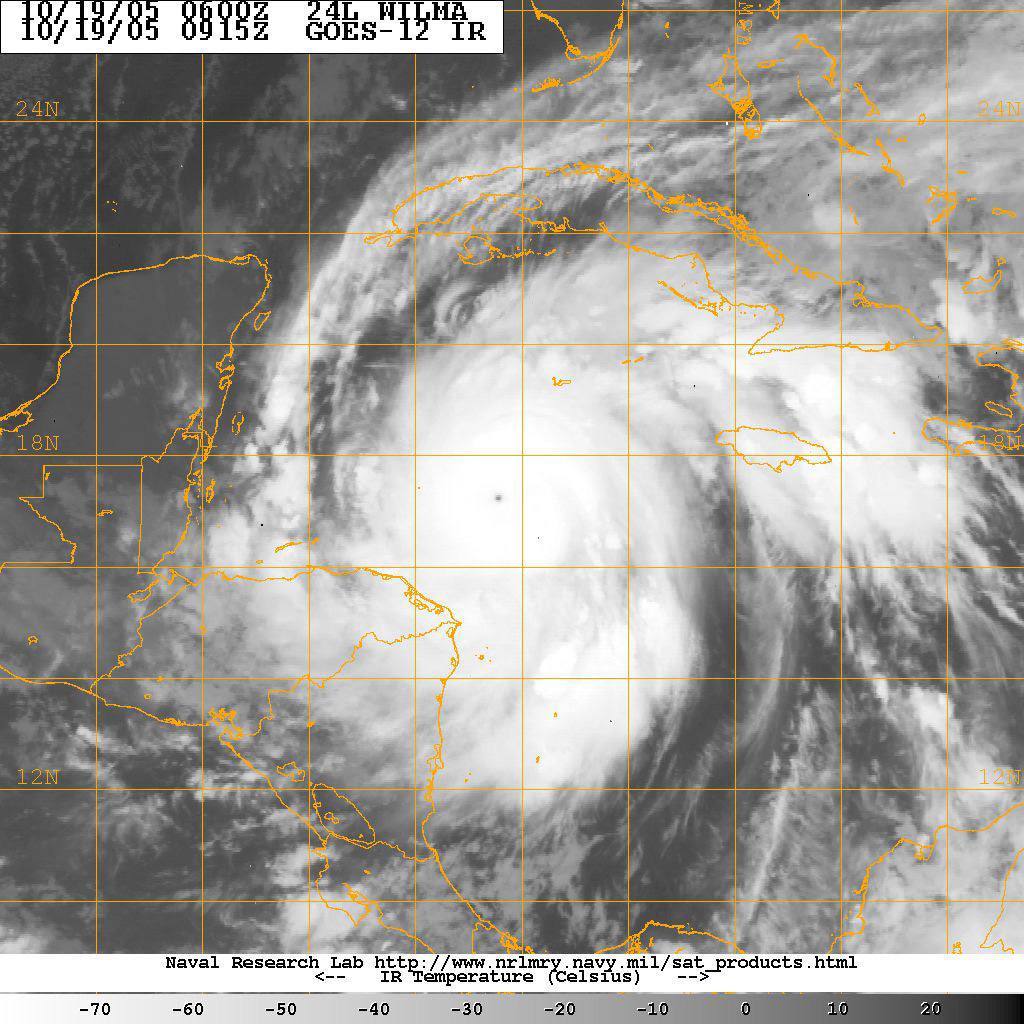
Climate measurement relies on a range of instruments and methodologies that are both sophisticated and essential. From satellite technology to ground-based observations, scientists employ numerous tools to gather data on temperature, humidity, atmospheric pressure, and other vital parameters.
Satellites, for instance, have revolutionized our understanding of Earth's climate systems. Equipped with advanced sensors, they can monitor large areas with precision, providing a bird’s-eye view of atmospheric phenomena. Conversely, ground stations gather localized data, which is crucial for understanding regional climate variations.

“The truth is, climate measurement isn't flashy; it’s a meticulous process requiring patience and consistency.”
The Challenge of Data Interpretation
While the measurement tools themselves are impressive, the real challenge lies in interpreting the data they collect. Each dataset comes with its own set of variables and potential errors, which can lead to conflicting conclusions if not handled properly. This uncertainty often fuels debates, as both sides of the climate argument seize upon data points to support their narratives.
On one hand, the scientific community emphasizes the need for a methodical approach to data analysis. Meteorologists and climatologists are trained to account for anomalies and to use statistical methods to ensure that their conclusions are robust. On the other hand, some political factions cherry-pick data, using selective statistics to create alarmist narratives or to downplay the urgency of climate action.
Political Polarization Over Climate Science
As political rhetoric intensifies, the conversation around climate measurement has become increasingly polarized. On the left, there are calls for immediate action to combat climate change, often supported by a broad consensus among scientists. However, the urgency sometimes leads to alarmist claims that lack nuanced understanding of scientific uncertainty.
Meanwhile, on the right, skepticism about climate change has gained traction. Some politicians and pundits dismiss the scientific consensus, framing it as a conspiracy or an overreaction. This dismissal often ignores the rigorous processes that underpin climate measurement, which can undermine the credibility of genuine scientific inquiry.
“Both extremes risk obscuring the science in favor of their agendas.”
The Need for Balanced Dialogue
The path forward lies in fostering a balanced dialogue that respects the complexities of climate measurement. Policymakers must engage with scientists to understand the limitations and strengths of the data. In turn, scientists should communicate their findings in a manner that is accessible, avoiding jargon that can alienate the public.
Public engagement is crucial, especially in an era where misinformation can spread rapidly. Scientists have a responsibility to clarify what their data does - and does not - indicate about climate trends. Likewise, those who advocate for climate action must be careful not to overstate the case, which can backfire and breed skepticism.
Conclusion: The Quiet Importance of Climate Measurement
Ultimately, the mechanisms behind climate measurement may not be as exciting as the headlines they generate, but they are vital to understanding our planet's future. As the debate over climate change continues to evolve, it is essential that both sides acknowledge the value of sound science and the rigorous methods that underpin it. By doing so, we can foster a more informed public discourse that prioritizes facts over fear and reason over rhetoric.
✦ ✦ ✦