From the file. Written for the paper dated May 2000. Opened in the public stacks July 14, 2026.
As Congress gears up for another round of oversight hearings, it is crucial to examine how both sides of the political aisle are incentivized to push their narratives, often at the expense of the truth.
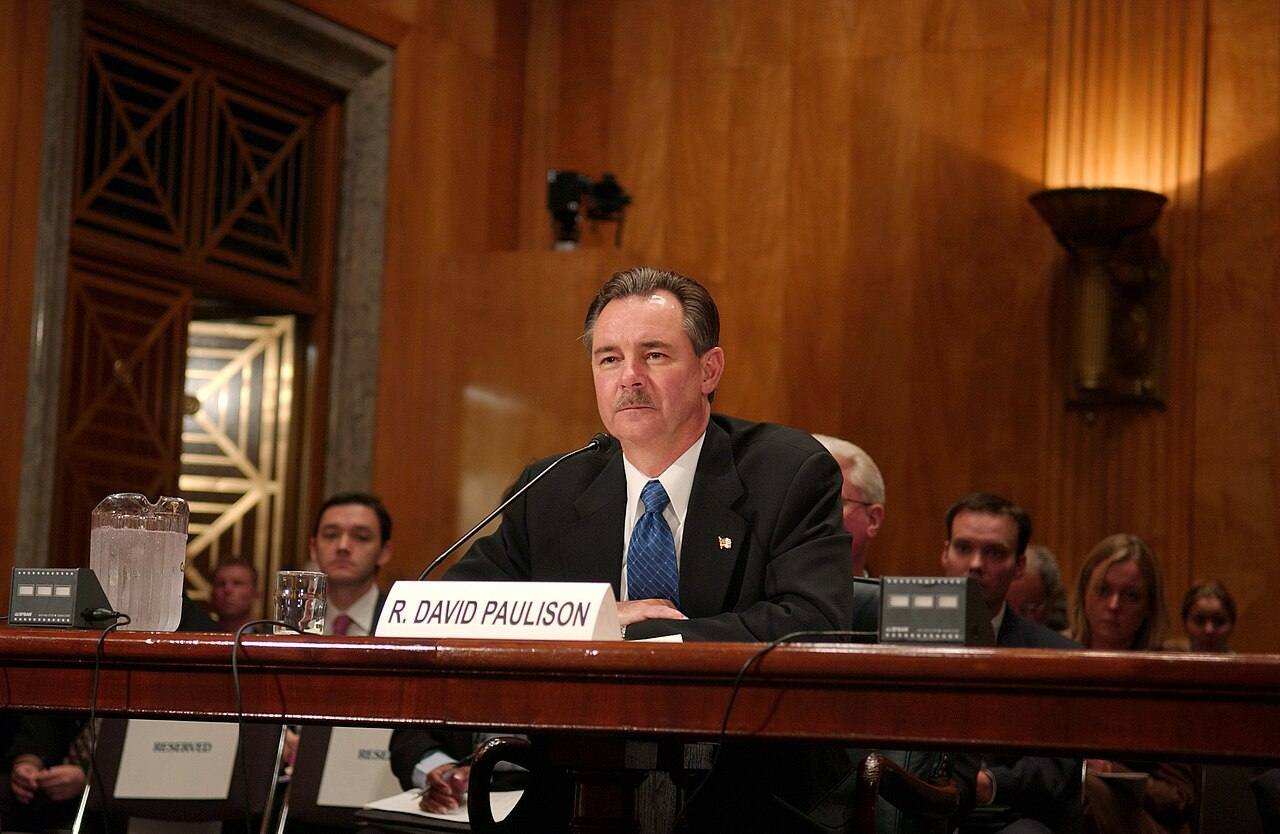
The Dual Nature of Oversight
Oversight hearings are designed to ensure that government agencies are held accountable and that taxpayer dollars are spent wisely. However, in the current political climate, these hearings have increasingly become a platform for grandstanding rather than genuine inquiry. The incentives for both the left and right to exploit these hearings for political gain are strong, leading to a troubling environment where facts can become secondary to partisan objectives.
Oversight should be about accountability, not political theater.
The left often frames oversight as a means to protect the public interest, shining a light on corporate misdeeds and governmental failures. They argue that these hearings are vital for curbing the excesses of capitalism and ensuring that the most vulnerable populations are not left behind. However, there is a tendency within some factions of the left to sensationalize issues, using emotionally charged narratives to rally support without necessarily adhering to the facts. This can dilute the importance of legitimate criticisms and reduce complex issues to mere talking points.

On the other hand, the right also has significant incentives to leverage oversight hearings for their own purposes. They frequently position themselves as the defenders of fiscal responsibility, framing their inquiries as necessary checks on government spending. Yet, just as on the left, this can lead to a focus on scoring political points rather than addressing the underlying issues at stake. Some members of the right have been known to pursue investigations that serve their political agenda, often disregarding the nuances of the situation in favor of a more black-and-white narrative.
The Political Theater
What is alarming is how both sides, in their quest for headlines, often resort to political theater. This term has been thrown around quite a bit, but it accurately describes the way hearings can devolve into spectacle rather than substance. Witnesses are called to testify not just to provide information, but to become pawns in a larger game of political chess. The focus shifts from the issues at hand to the performance of the politicians themselves, making it difficult for the public to discern the truth.
Moreover, the media plays a crucial role in this dynamic. Sensationalism sells, and the more dramatic the hearings, the more coverage they receive. This creates a feedback loop where the emphasis on spectacle encourages politicians to escalate their performances. Ultimately, the public suffers as the focus shifts away from informed discussion to sensational soundbites.
A Call for Genuine Oversight
For oversight hearings to fulfill their intended purpose, there must be a concerted effort from both sides of the aisle to prioritize substance over spectacle. This means asking tough questions and genuinely seeking answers rather than merely using hearings to bolster political ambitions. Lawmakers should recognize that their credibility is at stake and that the public is becoming increasingly wary of political posturing.
As we move forward, it is essential to foster a culture of accountability that transcends partisan lines. This will require both Democrats and Republicans to engage in genuine dialogue, seeking common ground rather than exploiting differences. The objective should be to craft policies that effectively address the issues facing the American people, not to score points in the never-ending political battle.
In conclusion, while oversight hearings are an essential mechanism for accountability, we must be vigilant against the excesses of both sides. The stakes are too high for our democracy to allow political theater to overshadow meaningful discourse. It is time for lawmakers to remember their duty to the public and prioritize genuine oversight over partisan gain.
✦ ✦ ✦