From the file. Written for the paper dated April 2000. Opened in the public stacks July 14, 2026.
In the ongoing political battle over redistricting, both major parties are wielding their influence to shape electoral maps in ways that favor their candidates. But what is often left out of the briefings is the broader impact these decisions have on democracy itself.
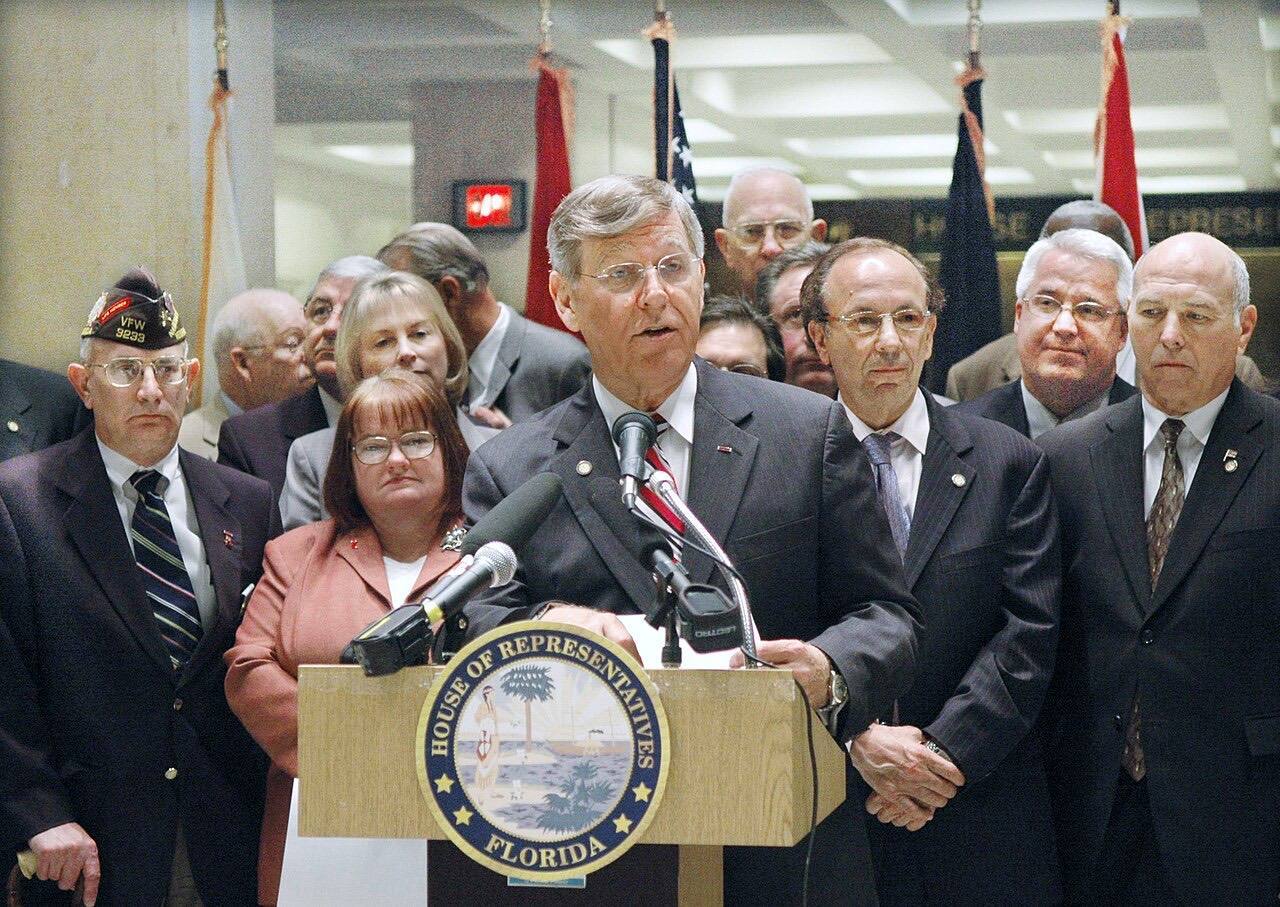
The Politics of Redistricting
Every ten years, following the census, the redrawing of electoral districts provides political parties with a golden opportunity to secure their interests. While the rhetoric surrounding redistricting often highlights fairness and representation, the reality is that both the Democrats and Republicans engage in strategic map drawing that prioritizes party advantage over the interests of constituents.
In many cases, the lines drawn on a map result in districts that are not only convoluted but also designed to maximize partisan support. This practice, known as gerrymandering, has reached new heights and has become a central issue in political discourse. Partisan leaders justify their actions with claims of representing their constituents, but how can we trust that these districts genuinely reflect the voice of the people?
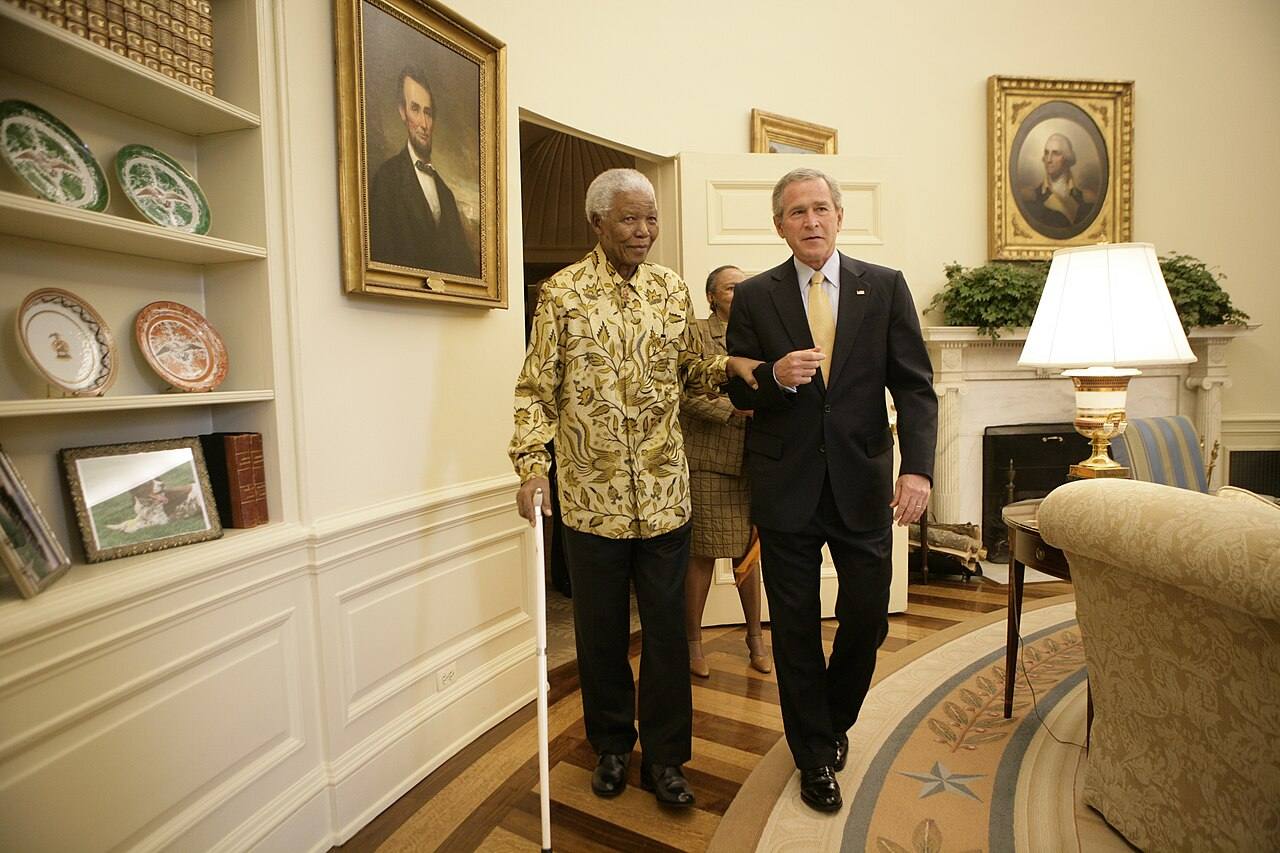
"The manipulation of district lines is a betrayal of the democratic process."
Voices of the Disenfranchised
One of the most alarming consequences of redistricting is the disenfranchisement of voters. When district boundaries are manipulated, entire communities can find themselves either fragmented or combined with areas that do not share their interests. This disconnection fosters a sense of alienation among voters, leading many to believe that their voices do not matter in the political process.
Take, for example, the recent redistricting efforts in swing states. In an attempt to secure a majority, both parties have created districts that split established communities, disregarding the cultural and social ties that bind them together. The result is a dilution of representation that leaves many voters feeling powerless and overlooked.
The Left's Reaction
In response to these manipulations, many on the left have called for reform and greater transparency in the redistricting process. Advocacy groups and progressive organizations are pushing for independent commissions to take over the drawing of district lines, arguing that this would reduce partisan bias and foster fairer representation.
While these calls for reform are commendable, it is essential to recognize that the left, too, has moments of excess. In their zeal for reform, some progressives have resorted to hyperbolic claims about the dangers of gerrymandering, which can obscure the real issues at hand. Framing redistricting solely as a Republican conspiracy diminishes the complexity of the problem and risks alienating moderate voters who may have legitimate concerns about representation.
The Right's Defensiveness
Conversely, the right has often defended gerrymandering as a necessary tool for maintaining political power. Some conservative commentators argue that if Democrats are willing to play hardball, Republicans are justified in doing the same. This tit-for-tat mentality does little to advance a healthy discourse on the future of democracy.
Instead of fostering a constructive conversation about redistricting reform, the right's defensiveness often leads to a dismissive attitude toward the genuine concerns of voters who feel disenfranchised. By framing the issue as a partisan attack, they miss the opportunity to address the systemic flaws in the electoral process that affect all Americans.
A Call for Accountability
Ultimately, the challenge of redistricting goes beyond partisan politics. It is a matter of accountability to the electorate. As citizens, we must demand transparency and fairness in the political process, regardless of which party is in power.
We must challenge our leaders to prioritize the voices of their constituents over the game of political chess. It is crucial to ensure that redistricting serves to empower voters rather than silence them. Only then can we begin to heal the fractures in our democracy that have been exacerbated by the relentless pursuit of partisan advantage.
Conclusion
The debate over redistricting is not merely a matter of political strategy; it is a fundamental question of representation and democracy. As we navigate this complex landscape, let us strive for a political culture that values the voices of all citizens and seeks to create an electoral system that reflects the diverse tapestry of our nation.
✦ ✦ ✦