From the file. Written for the paper dated March 2000. Opened in the public stacks July 14, 2026.
As we stand in March 2000, the specter of pandemics looms larger than ever, prompting a critical examination of our nation's readiness to tackle such health crises. A closer look at the numbers reveals a disconcerting truth: our preparedness may not be as robust as we would like to believe.
The Reality of Preparedness
In the wake of recent global health scares, such as the Ebola virus crisis in the late 1990s, the call for better pandemic preparedness has resonated through the halls of Congress and across the media landscape. However, the response from both sides of the political aisle has been starkly divergent, revealing not just ideological divides but also a profound misunderstanding of the realities on the ground.
On one side, we have the left, which often advocates for increased funding for public health initiatives and broader access to healthcare. While these goals are undeniably noble, there is a tendency to overlook the complexities of implementing such sweeping reforms. A reliance on government solutions can lead to inefficiencies and bureaucratic red tape that can stifle rapid response efforts in times of crisis.
Conversely, the right often champions personal responsibility and the privatization of health services. The argument here is that market forces can drive innovation and efficiency in healthcare delivery. However, this laissez-faire approach can create gaps in coverage and access, leaving vulnerable populations unprepared for the next outbreak. The reality is that while both sides present valid points, neither approach alone can ensure true pandemic readiness.
The Numbers Tell a Story
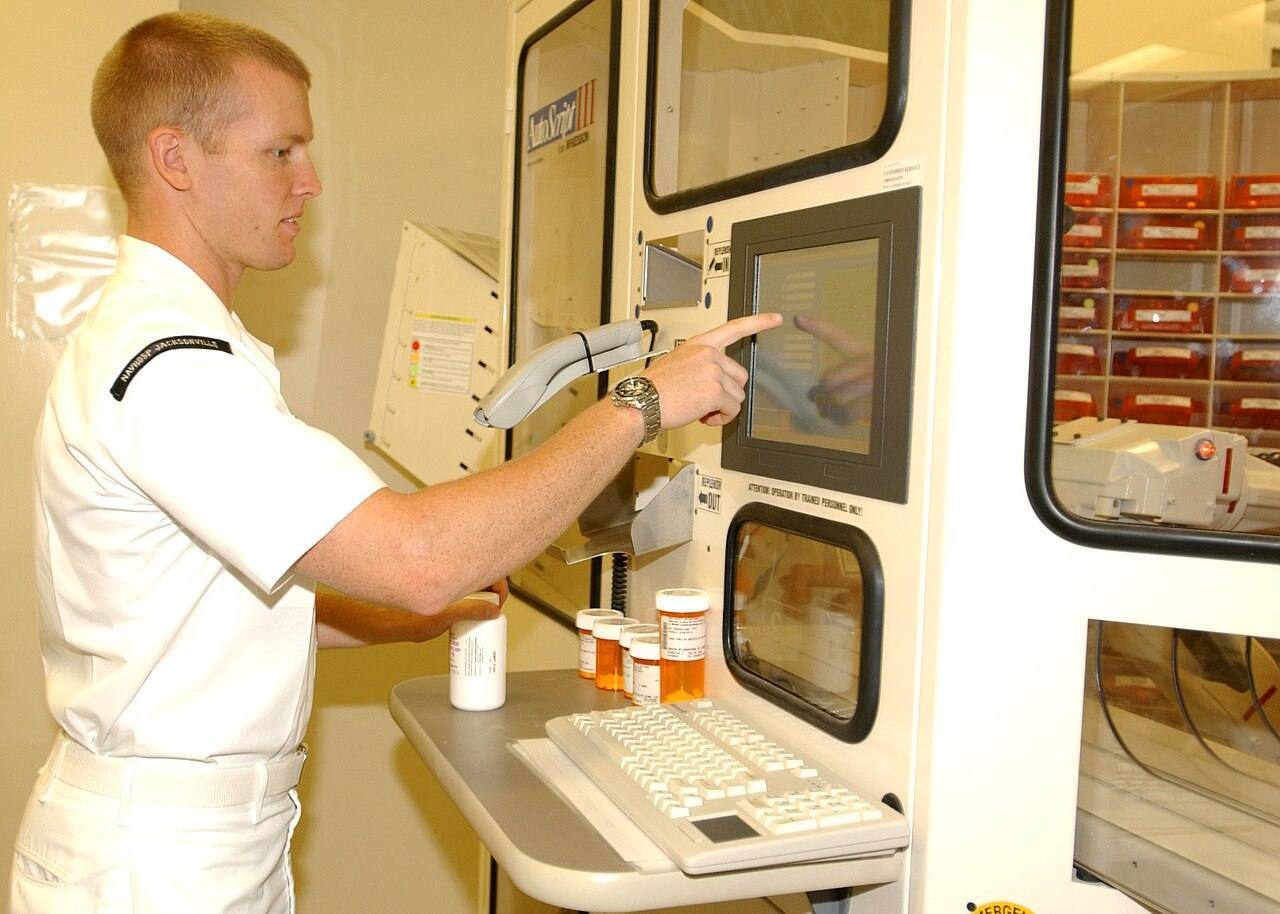
To understand the current state of our pandemic readiness, we must analyze available data regarding healthcare infrastructure, funding, and response capabilities. Recent reports indicate that while the United States has made significant strides in public health preparedness since the 1990s, there remain critical shortcomings.
“Preparedness is not just about having a plan; it’s about having the resources to execute that plan effectively.”
For instance, the Centers for Disease Control and Prevention (CDC) has seen its budget fluctuate significantly over the years, raising concerns about its ability to respond to a sudden outbreak. Additionally, the number of epidemiologists and public health professionals has not kept pace with the growing demands placed on our healthcare system. This shortage could hinder our ability to track and contain a potential pandemic.
Furthermore, while the rhetoric surrounding vaccine development is often optimistic, the reality reveals a more complex picture. The vaccine production process is lengthy and fraught with challenges, including funding shortages and regulatory hurdles. As we witnessed during the H1N1 outbreak scare, the rapid development of vaccines is not as straightforward as the public may wish to believe.
Political Posturing and Public Health
The political landscape surrounding public health is rife with posturing that often prioritizes electoral gain over genuine concern for citizen welfare. Politicians on both sides have been quick to tout their commitment to health initiatives, but the reality is that these are often accompanied by budget cuts elsewhere or unfunded mandates that do little to bolster our readiness.
The left’s focus on universal healthcare, while admirable, often fails to address the immediate logistical challenges of pandemic response. Meanwhile, the right’s emphasis on market solutions can lead to a lack of coordinated efforts that are crucial in a health emergency. The end result is a fragmented system that is ill-equipped to handle the complexities of a pandemic.
Finding Common Ground
In light of these challenges, it is essential that we find common ground between the two political extremes. A collaborative approach that blends public health funding with market-driven solutions could enhance our pandemic readiness. This means investing in public health infrastructure while also encouraging private sector innovation.
Moreover, public health education must be prioritized to address misinformation and enhance community preparedness. Empowering individuals with knowledge about health risks and response strategies can create a more resilient population that is ready to face potential crises.
As we move forward into the new millennium, it is imperative that we do not merely react to health threats but proactively prepare for them. This requires an honest assessment of our current capabilities and a commitment to bridging the ideological divides that hinder effective action.
Conclusion
Ultimately, the numbers reveal a troubling narrative about our preparedness for pandemics. Both sides of the political spectrum must recognize that their approaches, while rooted in different philosophies, can benefit from integration and cooperation. In a world where the threat of infectious diseases continues to evolve, our response must likewise adapt, ensuring that we are not only ready for the next pandemic but able to manage it effectively.
✦ ✦ ✦