From the file. Written for the paper dated February 2000. Opened in the public stacks July 14, 2026.
The nursing shortage in America has reached a critical point, prompting a national conversation about the future of healthcare. As hospitals and clinics scramble to fill vacancies, both the left and right are offering their own perspective on the crisis, but neither side seems to capture the whole truth.
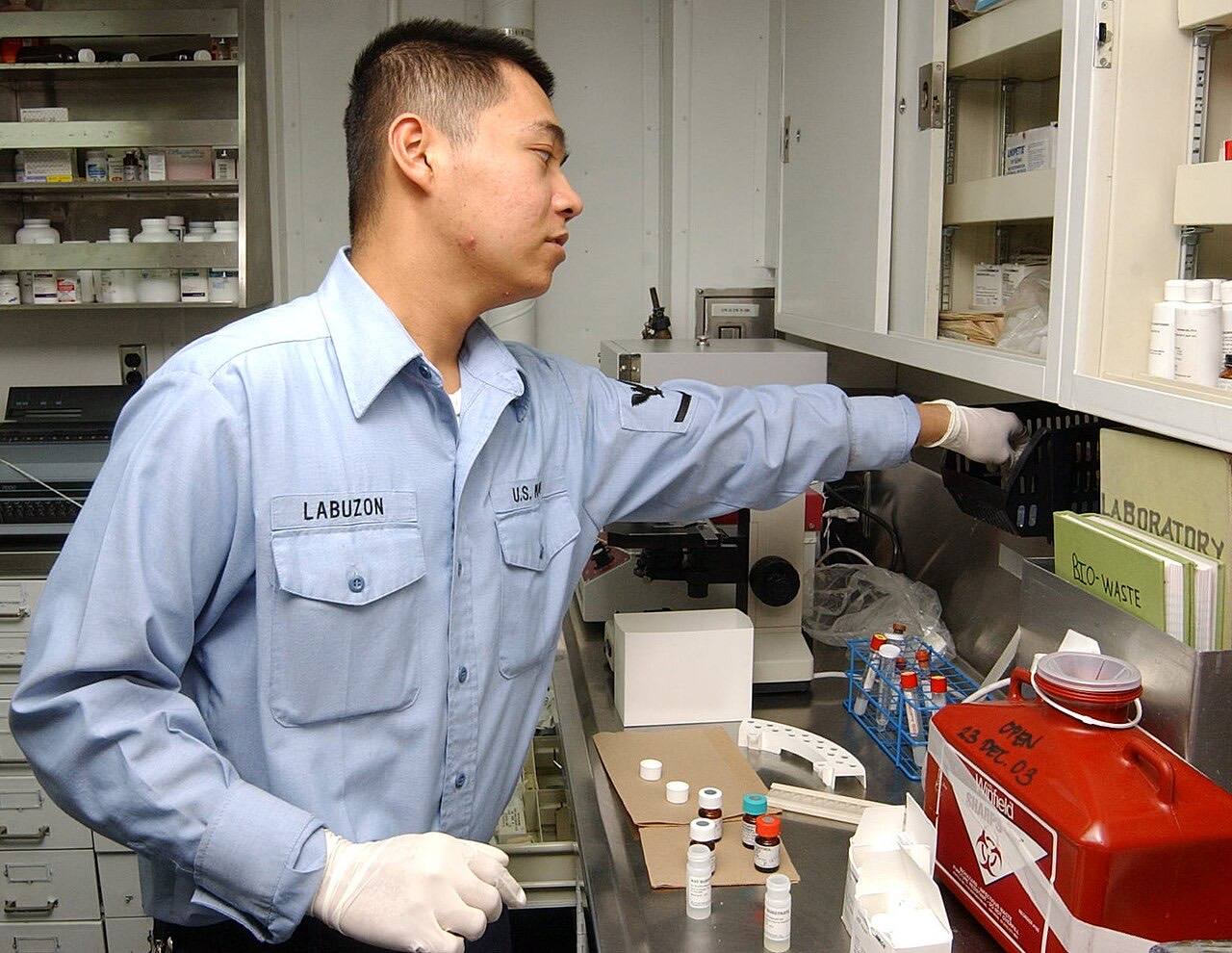
The State of Nursing
The nursing profession has long been the backbone of the American healthcare system. With an aging population and increasing healthcare demands, the need for qualified nurses has never been more urgent. Yet, as the numbers dwindle, the realities of the situation paint a complex picture. Nurses are facing burnout, disillusionment, and a lack of support, leading many to leave the profession altogether.
“Nursing is more than just a job; it’s a calling. But the pressures are overwhelming.”
On one side of the debate, liberal advocates argue for increased funding in nursing education and better working conditions. They push for more government support, claiming that the solution lies in bolstering the workforce through education and training programs. While their intentions are commendable, their proposals often overlook the immediate needs of current nurses burdened with heavy workloads and inadequate resources.
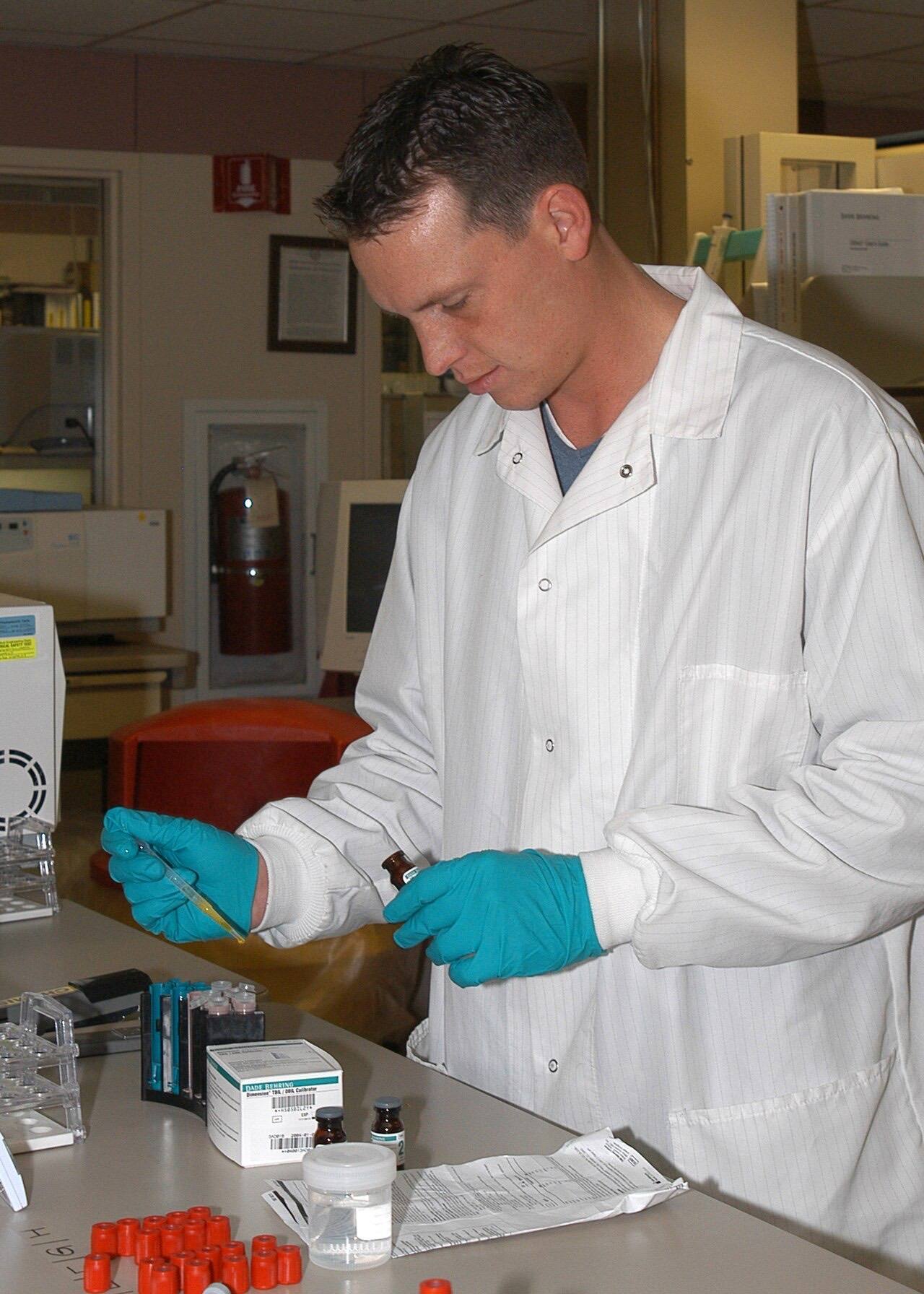
Meanwhile, the right tends to champion privatization and market-driven solutions. They argue that deregulating healthcare could lead to a more efficient system where competition breeds improvement. However, this approach often dismisses the acute human element of nursing - emphasizing profit margins over patient care. The focus on free market principles risks further exacerbating the problem by undermining the very foundation of nursing: compassion and dedication to patient well-being.
The Reality of Burnout
As the nursing shortage deepens, those still in the field are facing unprecedented levels of stress. Many nurses find themselves working overtime, often in understaffed conditions, leading to burnout. The psychological toll can be just as damaging as the physical. “I love my job, but sometimes I wonder if it’s worth the sacrifice,” one nurse remarked during a recent roundtable discussion. The emotional weight of caring for patients while feeling unsupported creates a recipe for disaster.
Despite this crisis, the political narratives around nursing often fail to address the core issues. Instead of engaging in meaningful dialogue about improving conditions for nurses, both sides resort to their talking points, ignoring the complexities on the ground. The left’s push for systemic change and the right’s insistence on market solutions both miss the mark in recognizing the urgent needs of those in scrubs on the front lines.
Finding Common Ground
What is needed is a bipartisan approach that truly considers the realities faced by nurses today. A comprehensive strategy could involve increased funding for nursing education while also ensuring that current nurses have the support they need. Better pay, manageable workloads, and mental health resources are essential for retaining experienced professionals and attracting new ones.
Moreover, healthcare facilities must prioritize creating a nurturing environment for nurses. The responsibilities of nursing extend beyond technical skills; they require emotional intelligence and resilience. Supporting nurses means investing in their well-being, which in turn leads to better patient care. It’s time for both sides of the aisle to abandon their team jerseys and start working together toward a sustainable solution for the nursing crisis.
Conclusion
As we move further into the year 2000, the nursing shortage demands more than just rhetoric. It requires a concerted effort from all stakeholders to address the underlying issues that plague the profession. Nurses deserve more than to be caught in the crossfire of political agendas; they need a supportive environment that values their contributions and prioritizes patient care. It is time to unify our efforts to ensure a robust and compassionate healthcare workforce for generations to come.
✦ ✦ ✦