From the file. Written for the paper dated January 2000. Opened in the public stacks July 14, 2026.
As the new millennium unfolds, America finds itself grappling with a sharp rise in commodity prices that reveals a troubling trend in bipartisan politics: selective memory. Both sides of the aisle seem to conveniently forget the implications of their past decisions, opting instead to point fingers while the average consumer faces the consequences.
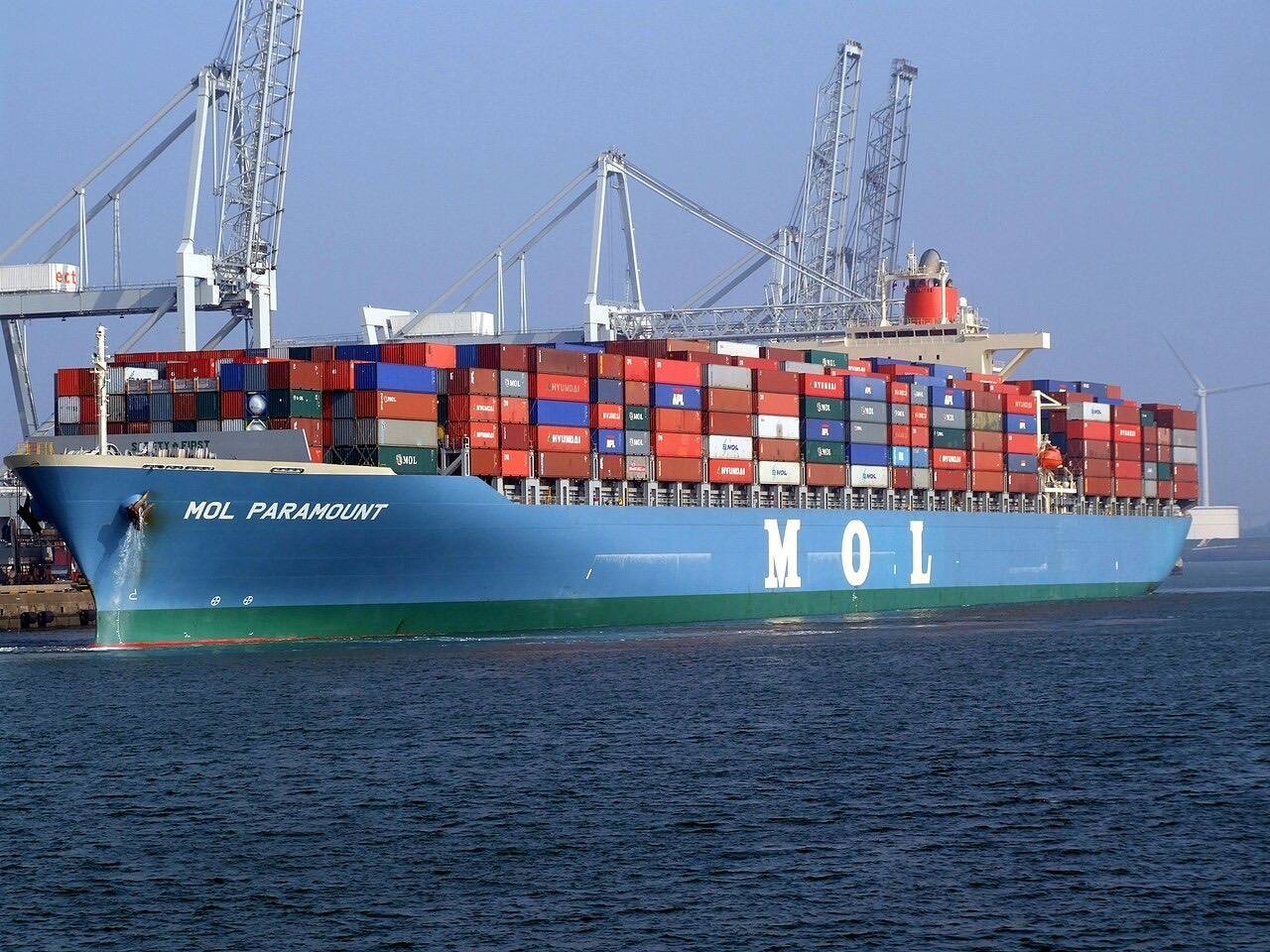
The Current Landscape of Commodity Prices
In recent months, the prices of essential commodities such as oil, grains, and metals have surged dramatically. This spike has prompted a chorus of critiques from both Democrats and Republicans, each blaming the other for the escalating costs that impact everyday Americans. While it is easy to cast blame, the reality is that both parties have contributed to the conditions that led us here.
On the left, Democrats are quick to highlight the greed of oil companies and the perceived failure of the current administration to regulate them effectively. They argue that the unchecked power of corporate interests has led to inflated prices that burden the working class. Yet, one must remember the last Democratic administration, which, while advocating for environmental protections, often overlooked the necessity of energy independence - creating a reliance on foreign oil that has left us vulnerable today.

Meanwhile, Republicans are eager to point to the failure of the Clinton administration's economic policies and the impact of government regulation on market dynamics. They assert that less government intervention would lead to lower prices. However, this argument conveniently glosses over the effects of deregulation that have sometimes allowed speculation to run rampant, further exacerbating price volatility. The GOP's selective memory fails to account for how their own policies have shaped the current landscape.
The Role of Speculation and Market Forces
The role of speculation in commodity markets cannot be overstated. Traders and investors react to perceived shortages and geopolitical tensions, driving prices higher. Both parties have historically embraced aspects of this speculative nature when it suits their agendas. Democrats may call for tighter regulations to curb excesses, but they rarely confront the systemic issues that allow these conditions to flourish. Conversely, Republicans often champion free market principles, yet they fail to acknowledge how this very freedom can lead to price spikes that hurt consumers.
The current administration's lack of a cohesive energy policy has compounded the issue, leaving both sides scrambling to attribute blame rather than working towards solutions. As prices soar, the public suffers, and the political theater continues. The irony is palpable; while both parties bicker, it is the American people who bear the brunt of their selective memory.
"Our leaders must remember that the choices they make today echo through time, impacting the lives of millions."
Looking Ahead: A Call for Accountability
As we move further into the 21st century, it is essential for both Democrats and Republicans to take responsibility for their roles in shaping economic policy. The current commodity spike serves as a stark reminder of the interconnectedness of political decisions and market realities. Rather than engaging in a blame game, our leaders must commit to a comprehensive approach that addresses the root causes of these price fluctuations.
This includes fostering energy independence, considering the long-term implications of deregulation, and finding a balance between corporate interests and consumer protection. The American public deserves transparency and accountability from their elected officials, not partisan posturing that overlooks the complexities of our economic landscape.
Consumers and businesses alike are looking for answers as they navigate the realities of a changing market. It is high time that politicians move beyond selective memory and work towards sustainable solutions that benefit all Americans.
✦ ✦ ✦